
The Truth About Oxalates in the Body: From Diet to Disease
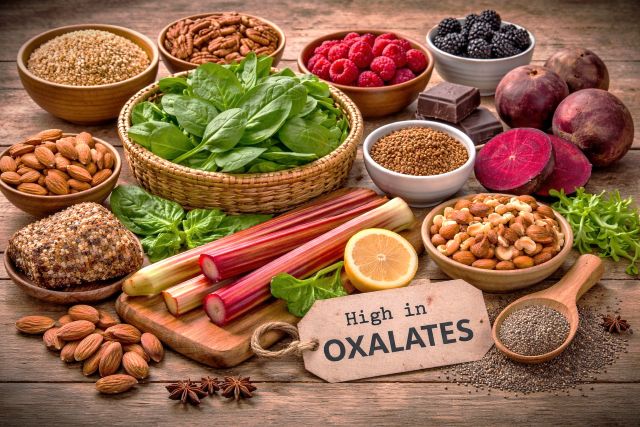
Oxalates serve a protective function in nature. Plants use them as a natural defense against pests by forming sharp-edged crystals that can damage the tissues of insects.
Oxalates serve a protective function in nature. Plants use them as a natural defense against pests by forming sharp-edged crystals that can damage the tissues of insects.
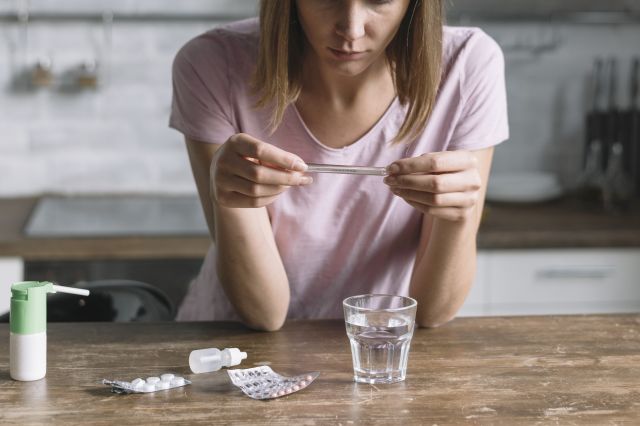
Imagine someone starts noticing strange, seemingly unrelated symptoms. After a glass of wine — a sudden hot flush, nasal congestion, and a feeling of an oncoming cold. A bit of aged cheese — itching, heaviness in the stomach, bloating. After eating strawberries — a rash that disappears without a trace in a couple of hours.
In the morning — a dull headache “out of nowhere.” Throughout the day — bouts of irritability and anxiety. In the evening — insomnia and restless sleep. Sometimes after eating — a wave of fatigue so strong it feels like the body is “shutting down.” During stress or certain phases of the hormonal cycle — abdominal pain intensifies, dark thoughts appear, only to be suddenly replaced by a burst of energy and hyperactivity.

When the body is exposed to mycotoxins, it’s crucial not only to eliminate the source of mold but also to support the body’s recovery. Nutrition plays a central role in reducing toxic load.
A properly designed diet can help reduce inflammation, support liver and gut function, enhance toxin elimination, and significantly ease symptoms such as fatigue, brain fog, food reactivity, and poor tolerance to other therapies — from binders to nutritional supplements.
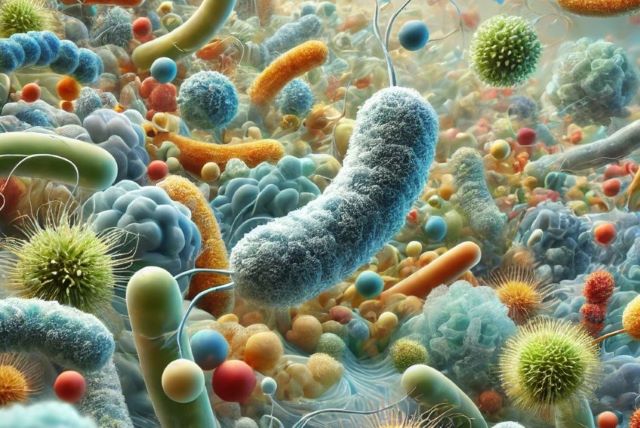
Gut Microbiota is a complex ecosystem of microorganisms, including bacteria, viruses, fungi, and parasites, that inhabit the human intestinal tract. The number of microbes in the human body is estimated to be around 39 trillion, slightly exceeding the number of human cells. However, their genetic material is much richer and has a profound impact on bodily functions.
The microbiota performs many key functions, such as aiding digestion, synthesizing vitamins, protecting against pathogens, and supporting the immune system. A healthy microbiota is key to maintaining long-term health, whereas imbalances may trigger a wide range of diseases.

The second part of the article focuses on the diagnosis of Small Intestinal Bacterial Overgrowth (SIBO), continuing the discussion of essential topics not covered in Part One. In that part, we reviewed the core symptoms and causes of SIBO. Now we focus on diagnostic tools that help identify this condition and guide optimal therapy. Distinguishing between the different types of SIBO — hydrogen, methane, and hydrogen sulfide — requires accurate diagnostic methods to select the correct treatment. Importantly, diagnosing SIBO not only confirms the condition but helps rule out other diseases with similar symptoms.

SIBO (Small Intestinal Bacterial Overgrowth) is a condition where bacteria that are normally present in small amounts in the small intestine—or that typically reside in the large intestine—begin to proliferate in the small intestine. SIBO disrupts normal digestion and nutrient absorption.
Symptoms of SIBO include bloating, abdominal pain, diarrhea, or constipation. However, it’s not just discomfort—SIBO can significantly impact quality of life, leading to chronic fatigue, skin issues, weight loss, and vitamin and mineral deficiencies. The underlying cause of SIBO is often another condition, and SIBO is a dysfunction of the gut that results from this primary issue.

Hypermobility is a condition where joints have greater flexibility than usual. People with hypermobility can bend and extend their joints beyond normal ranges of motion. So far, this doesn’t sound too bad, right? Moreover, we usually envy people with hypermobility; after all, they can easily do splits, whereas an average person might need weeks, if not months, of training. Indeed, this condition can be harmless and even advantageous in certain sports and activities, such as gymnastics and dance, but it can also lead to various medical issues.