Diabetes

Type 1 Diabetes: Symptoms, Treatment, and New Hope for a Cure, Part 2
Image

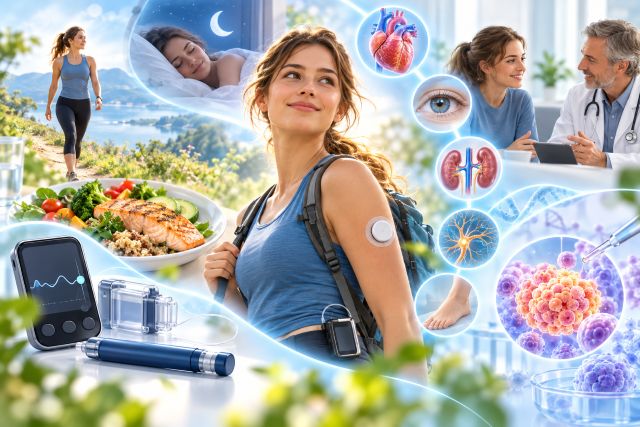
After diagnosis and the initiation of insulin therapy, some patients experience an unexpected improvement: glucose levels become more stable, and the need for injected insulin decreases noticeably. Sometimes this change is so pronounced that it creates the impression that diabetes is receding.

Type 1 Diabetes: Symptoms, Treatment, and New Hope for a Cure, Part 1

Image

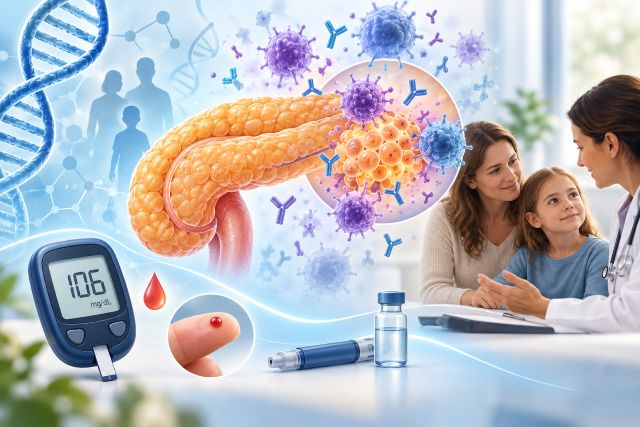
Diabetes mellitus is one of the most common chronic diseases associated with impaired regulation of blood glucose levels. However, this term encompasses different diseases that differ significantly in their causes, mechanisms of development, and approaches to treatment.

Stroke: Hidden Dangers and Critical Warning Signs You Must Know, Part 1

Image

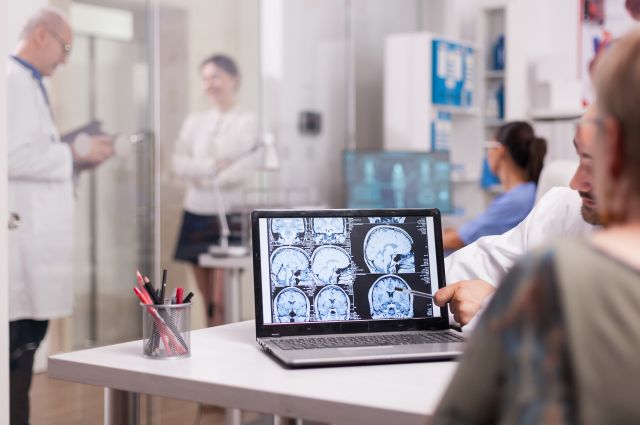
A stroke is commonly imagined as a sudden catastrophe with obvious symptoms: paralysis, speech impairment, or loss of consciousness. In reality, however, the condition does not always develop so noticeably. A person may continue working, talking, and going about their usual activities without realizing how serious their condition is.

Can Ozempic Be the Ultimate Weight Loss Solution or a Source of Problems?

Image

You’ve probably heard about Ozempic from multiple sources — both influencers and celebrities. This medication has become a hot topic across social media, TV shows, and interviews. Stars often share their weight loss secrets, and Ozempic frequently makes the list.

However, keep in mind the possibility of paid promotion. In show business, name-dropping certain drugs on stage or in media can be part of a well-orchestrated marketing strategy. Companies are willing to pay large sums for such mentions to create the impression that their product is the celebrity choice. This is part of modern reality, where the lines between real experience and advertising can blur.

Your Gut Microbiota Holds The Key To Better Health, Part 1

Image

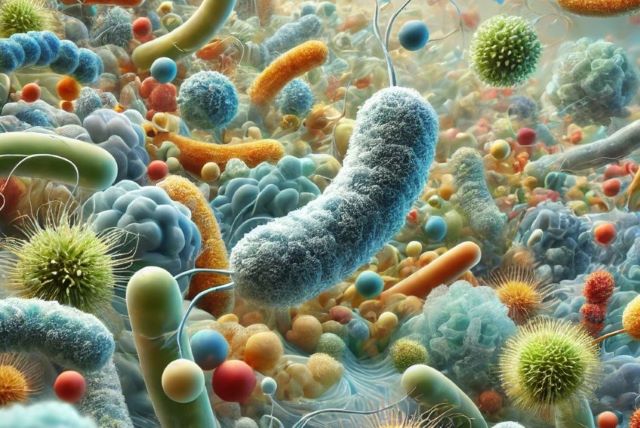
Gut Microbiota is a complex ecosystem of microorganisms, including bacteria, viruses, fungi, and parasites, that inhabit the human intestinal tract. The number of microbes in the human body is estimated to be around 39 trillion, slightly exceeding the number of human cells. However, their genetic material is much richer and has a profound impact on bodily functions.

The microbiota performs many key functions, such as aiding digestion, synthesizing vitamins, protecting against pathogens, and supporting the immune system. A healthy microbiota is key to maintaining long-term health, whereas imbalances may trigger a wide range of diseases.

SIBO: What Lies Behind the Condition Mistaken for a Disease, Part 1

Image

SIBO (Small Intestinal Bacterial Overgrowth) is a condition where bacteria that are normally present in small amounts in the small intestine—or that typically reside in the large intestine—begin to proliferate in the small intestine. SIBO disrupts normal digestion and nutrient absorption.

Symptoms of SIBO include bloating, abdominal pain, diarrhea, or constipation. However, it’s not just discomfort—SIBO can significantly impact quality of life, leading to chronic fatigue, skin issues, weight loss, and vitamin and mineral deficiencies. The underlying cause of SIBO is often another condition, and SIBO is a dysfunction of the gut that results from this primary issue.

EBV and Autoimmune Reactions: The Truth About Epstein–Barr Virus

Image

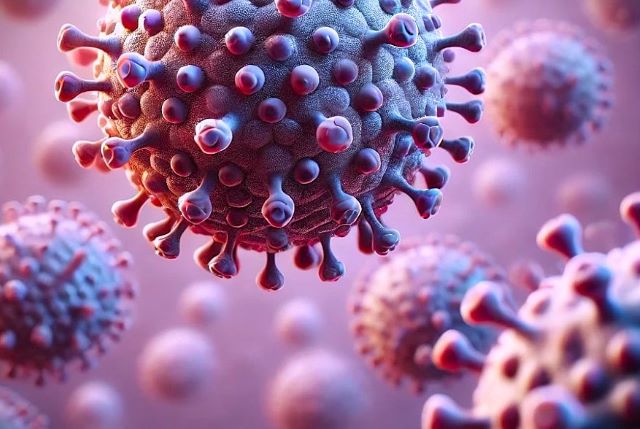
Epstein-Barr Virus (EBV) is a type 4 herpesvirus and one of eight known viruses in the Herpesviridae family. It is primarily transmitted through saliva and other bodily fluids, earning it the nickname &“kissing virus”.

EBV can affect various organs and systems in the body. For instance, it may influence the central nervous system (linked to multiple sclerosis) and the thyroid gland (as seen in Hashimoto’s thyroiditis). Additionally, EBV is associated with certain types of cancer, such as nasopharyngeal carcinoma, Burkitt lymphoma, and Hodgkin’s lymphoma.