The Missing B1 Link: Low Energy and Poor Focus
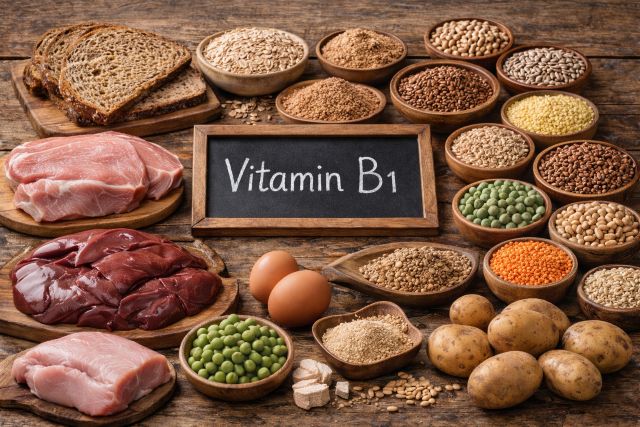
Vitamin B1 (thiamine) is one of the key vitamins on which the body’s ability to properly produce energy depends.
Not all infections associated with game are transmitted through consumption of meat. Some pathogens enter the body during carcass processing, through contact with blood, tissues, and animal fluids, via aerosols, or through a contaminated environment. In these cases, a person may not eat game at all and still become infected.
Many people significantly underestimate the risks associated with consuming meat from wild animals. First of all, this is due to a persistent belief in everything “natural” and the conviction that game meat is a priori cleaner and healthier than store-bought meat. This misconception is further reinforced by the habits of hunters and tourists: “we have always cooked it this way,” “hot food cannot be raw,” “it is natural meat.” As a result, people become convinced that game is safe in itself, regardless of how thoroughly it is prepared.
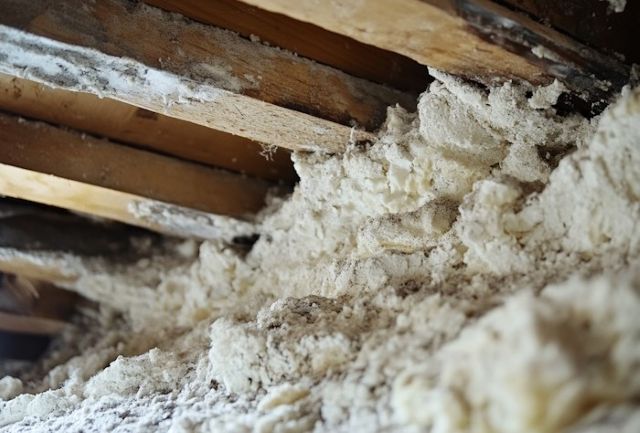
Mold can appear in almost any living space-new or old, in a house or an apartment. This is not necessarily related to flooding or obvious dampness. Most often, the process begins gradually, in inconspicuous areas where moisture lingers slightly longer than it should and air movement is minimal: behind furniture, near windowsills, in window seals, under household appliances. At first glance, these zones seem safe, but it is precisely here that conditions form in which fungi and actinomycetes maintain stable activity.
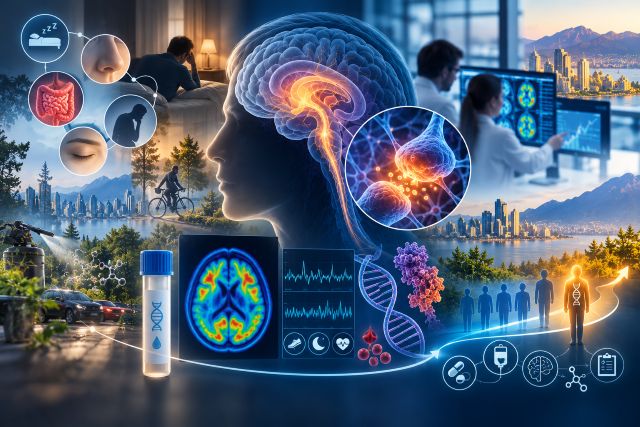
The speed and pattern of aging differ for each person: in one, blood vessels are the first to be affected, in another — the joints, and in a third — the cognitive sphere. Therefore, an effective program must be based on objective data, not only on the clinical picture.
Aging is a natural biological process that affects every level of the body’s functioning. Over time, the ability of cells to repair themselves declines, damage accumulates, and adaptive mechanisms weaken. But the pace and manifestations of aging vary greatly from person to person: some remain active and mentally sharp well into old age, while others experience significant decline as early as middle age.
Imagine someone starts noticing strange, seemingly unrelated symptoms. After a glass of wine — a sudden hot flush, nasal congestion, and a feeling of an oncoming cold. A bit of aged cheese — itching, heaviness in the stomach, bloating. After eating strawberries — a rash that disappears without a trace in a couple of hours.
In the morning — a dull headache “out of nowhere.” Throughout the day — bouts of irritability and anxiety. In the evening — insomnia and restless sleep. Sometimes after eating — a wave of fatigue so strong it feels like the body is “shutting down.” During stress or certain phases of the hormonal cycle — abdominal pain intensifies, dark thoughts appear, only to be suddenly replaced by a burst of energy and hyperactivity.
Multisystem chronic conditions are disorders in which multiple body systems—such as the nervous, vascular, digestive, musculoskeletal, and immune systems—are affected simultaneously. Symptoms can range widely, from dizziness and pain to digestive issues and persistent fatigue.
Asthma is a chronic inflammatory disease that can become life-threatening if attacks are not controlled with medication. During an asthma attack, the airways narrow and fill with mucus, leading to symptoms such as coughing, shortness of breath, and wheezing.
When the body is exposed to mycotoxins, it’s crucial not only to eliminate the source of mold but also to support the body’s recovery. Nutrition plays a central role in reducing toxic load.
A properly designed diet can help reduce inflammation, support liver and gut function, enhance toxin elimination, and significantly ease symptoms such as fatigue, brain fog, food reactivity, and poor tolerance to other therapies — from binders to nutritional supplements.