Medicine does not exist outside of time. What was considered safe and progressive in one period may appear unacceptable decades later. The reason is the limitation of knowledge, tools, and methods of risk assessment.
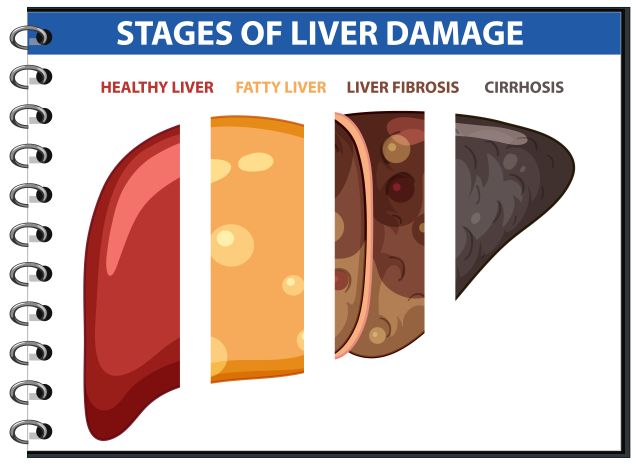
Diagnosis “fatty liver” is now increasingly detected incidentally-during ultrasound, CT, or MRI examinations performed for other reasons. It is found in people of different ages, body types, and lifestyles, often in the complete absence of pain, pronounced complaints, or abnormalities in standard blood tests.
In recent years, research in genetics and epigenetics has garnered increasing attention, opening new horizons for understanding health and chronic diseases. Genetics studies hereditary traits and variations in DNA structure, while epigenetics examines changes in gene activity that do not alter the DNA sequence itself. One of the key aspects of epigenetics is that these changes can be reversible. This opens up new opportunities for developing treatments for diseases where changes in gene expression play a crucial role, such as autoimmune diseases, cancer, or metabolic disorders. Moreover, epigenetic modifications can be passed from parents to offspring, influencing the health of future generations. Understanding the mechanism of epigenetic regulation presents new prospects in medicine, particularly concerning the impact of the environment, nutrition, and lifestyle on health.
Methylation is a crucial biochemical process occurring in all cells of the body. It involves adding a methyl group (CH₃) to molecules such as DNA, proteins, and lipids, significantly influencing their functions and activities. Methylation regulates various physiological mechanisms, including gene expression, detoxification, mood regulation, energy production, immune system function, and cellular maintenance. Particularly important is the role of methylation in the liver, where it helps neutralize and eliminate toxins, which is essential for overall health.
In the first part of the article, we discussed the causes and diagnosis of endometriosis. Now, we will explore the possible treatment options for this condition.
What Can Affect the Progression of Endometriosis Symptoms
As you might guess, anything that leads to hormonal imbalance in the body can have an impact. In our world, there are quite a few such issues.
Before the discovery of Helicobacter pylori, many cases of gastritis were considered chronic but relatively harmless conditions. For a long time, it was believed that gastritis was caused by an excess level of stomach acid, and treatment was aimed at reducing acidity. Other theories included the role of stress, improper diet, and an unhealthy lifestyle in the development of gastritis.
Once I first heard this phrase from Dr. Klinghardt: Lyme doesn’t create specific problems on its own, Lyme simply opens the doors to all other issues. These can include toxins, various infections, allergic reactions, and other problems. Now, I often repeat this phrase myself. This article is dedicated to describing the approach to treating chronic Lyme disease.
Rapid changes in the fields of physical activity, sports, and medicine over the past decades have led to an increased interest in medicinal and anabolic steroids. Chemical compounds originally developed for medical purposes have become in demand to increase muscle mass.
However, behind this popularity, there are numerous questions: How do steroids affect the body? What are the medical indications and contraindications for their use? What are the risks associated with their usage?
Ischemic heart disease, also known as coronary heart disease, is characterized by the accumulation of plaque in the heart’s arteries, which can lead to a heart attack, heart failure, or even death. It is the second leading cause of death in Canada.
Understanding facts about cardiovascular diseases (CVD) and taking measures to reduce the risk, including adopting a healthy lifestyle and early diagnosis and treatment of medical conditions, are important steps in preventing this problem.