
Calcium: Why Special Blood Test Results Can Be Misleading
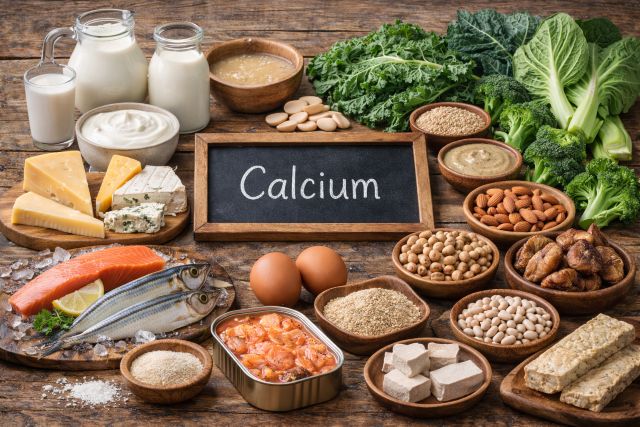
Calcium is a macronutrient and at the same time an active regulator of physiological processes. In the body, it exists not only as a component of bone tissue but also in the form of free ionized calcium, which participates in the transmission of signals between cells.
Calcium is necessary for the stable functioning of muscles, the nervous system, the heart, and blood vessels. This is why the body strictly regulates its concentration in the blood, regardless of dietary intake.
Calcium should not be regarded as a passive building material for bones. It is a biologically active element, and its excessive or improper use can also cause serious problems.
Main Functions of Calcium
Calcium performs several fundamentally different functions in the body, and its role is not limited to participating in bone formation.
Main functions of calcium:
- Ensuring the strength of bones and teeth as part of the mineral matrix;
- Contraction and relaxation of skeletal and cardiac muscle;
- Transmission of nerve impulses between cells;
- Regulation of vascular tone and blood pressure;
- Participation in the blood coagulation system;
- Intracellular signaling and activation of enzymatic systems.
These processes occur continuously. For their proper functioning, calcium concentration must remain stable. This is why the body primarily protects calcium levels in the blood, even if it happens at the expense of bone tissue.
Calcium Metabolism and Regulation
Where Calcium Is Located and Why Blood Calcium Is Critical
An adult human body contains approximately 1-1.2 kg of calcium, accounting for about 1.5-2% of total body weight. The vast majority - around 99% - is found in the bones and teeth. Less than 1% is present in the blood and extracellular tissues.
Despite its small share, it is precisely blood calcium that is critical for life. It is involved in the conduction of electrical impulses, muscle contraction, and the functioning of the heart and nervous system. Calcium concentration in the blood must remain within a narrow physiological range at all times.
For this reason, the body prioritizes the stability of blood calcium over the condition of bone tissue.
How the Body Maintains Blood Calcium at All Costs
A strict hormonal regulation system exists to maintain stable calcium levels in the blood. One mechanism raises calcium levels by extracting it from bone tissue; the other promotes its deposition back into the bone. These processes function continuously and are unrelated to “bone treatment.” Their only task is to maintain calcium levels in the blood within a life-compatible range.
When blood calcium begins to decrease, the body immediately activates compensation: calcium is released from bones, its excretion by the kidneys is reduced, and its absorption from the intestines increases. As a result, blood values remain normal - the system has fulfilled its task, even if this required pulling calcium from bone.
When conditions improve, calcium is re-deposited into bone tissue. However, this process does not stop even when calcium is insufficient or its absorption is impaired. The body continues mineralization using available resources to maintain structural stability.
Teeth are not involved in this process: the body does not extract calcium from dental tissue, even in cases of deficiency - they do not participate in blood calcium regulation. However, once teeth have erupted, surface enamel continues to undergo mineralization, and if calcium is lacking, the teeth become more susceptible to damage and decay.
What Happens to Bones During Constant Calcium Regulation
Bone is continuously used as a source to maintain blood calcium. It reflects not only current metabolism but also the cumulative conditions under which this balance has been sustained over a lifetime.
If calcium is regularly extracted without adequate replacement, the quality of bone tissue gradually deteriorates. With prolonged imbalance skewed toward breakdown, osteopenia and osteoporosis develop - not due to “low calcium in the blood,” but as the price paid for maintaining a vital level.
This is why normal calcium in blood tests does not indicate healthy calcium metabolism or bone status. It only shows that the regulation system is still functioning.
Why the Body Regulates Blood Calcium So Strictly
The body maintains ionized calcium within a very narrow range because even a rapid decline poses an immediate threat to life. A sudden drop in blood calcium can cause severe muscle spasms, seizures, life-threatening cardiac arrhythmias, cardiac arrest, and respiratory failure.
The importance of this regulatory system is illustrated by rare but highly instructive cases from chelation therapy. Medical literature describes fatal incidents resulting from the accidental use of Na₂EDTA (disodium EDTA) instead of CaNa₂EDTA (calcium disodium EDTA). It is well established that the disodium form avidly binds calcium in the bloodstream, which is why the calcium form of EDTA—already containing calcium within the complex—is used for most clinical indications.
These events are exceptionally rare because they typically required the combination of multiple factors. In nearly all reported cases, the tragedy was not caused by chelation therapy itself, but by the accidental administration of the wrong EDTA formulation together with excessively rapid intravenous administration (rapid IV push). This combination could lead to a rapid fall in ionized calcium, severe cardiac arrhythmias, cardiac arrest, and death.
These rare but well-documented cases clearly demonstrate how critically important it is for the body to maintain a stable blood calcium concentration and why calcium regulation is one of the body’s most tightly controlled physiological systems.
When Something Other Than Calcium Is Deposited in Bone
Bone tissue is a site of long-term mineralization. Everything deposited in the bone can persist for years or decades. If the body is under chronic unfavorable conditions - insufficient calcium intake, poor absorption, vitamin D or K deficiency, or chronically increased demand - elements chemically similar to calcium may be deposited instead.
One such element is lead, which is abundant in our environment and can replace calcium in the mineral matrix. Under these conditions, bone becomes not just a structural support but a storage site for toxic substances reflecting the conditions under which mineralization occurred.
Why This Is Dangerous for the Whole Body
Bone tissue is not a completely isolated storage. During intensified bone turnover, pregnancy, loss of bone mass, or reactivation of calcium regulation, previously accumulated substances may be released back into the bloodstream.
At that moment, toxins previously “hidden” in bone become biologically active again. They can reach the brain, affect the nervous system, and, during pregnancy, cross the placenta to the fetus. Thus, calcium metabolism disorders extend far beyond bones and are directly linked to neurological and systemic risks.
Which Micronutrients and Factors Are Needed for Calcium Function
Vitamin D as a Regulator of Calcium Metabolism
Vitamin D is not a “bone vitamin” in the everyday sense. Its main function regarding calcium is regulatory. It determines whether calcium will be absorbed in the intestines, enter the bloodstream, and be used by the body as intended.
In this context, increasing calcium intake does not solve the problem if the regulation system cannot use it effectively. Calcium either remains unabsorbed or burdens the gastrointestinal tract without reaching the tissues. The reverse side must also be considered. Vitamin D enhances calcium absorption regardless of the body’s current needs. Therefore, the most serious potential risks of vitamin D are not due to the vitamin itself, but to the simultaneous intake of high calcium doses and disrupted regulatory balance. In this context, conditions arise for calcium overload in the blood and its improper distribution, including into soft tissues.
In the absence of calcium overload, vitamin D behaves differently. Being fat-soluble, it can accumulate in storage sites - primarily the liver and adipose tissue - and be used gradually. In such conditions, vitamin D rarely causes acute effects and functions as a reserve regulator, consumed as needed.
The form of vitamin D also matters. The most physiologically appropriate form for humans is D3, which participates in metabolic regulation more effectively and stably. However, regardless of the form, the key safety factor remains the context: total dose, duration of intake, and level of calcium load.
Vitamin K: Directing Calcium
Vitamin K is not responsible for the amount of calcium or its absorption, but for where calcium goes after entering the bloodstream. It is a key element in spatial calcium regulation, determining whether calcium will be deposited in bone tissue or in soft tissues.
With the help of vitamin K, proteins are activated that are responsible for integrating calcium into the bone matrix and simultaneously protecting vessels from calcification. If vitamin K is deficient, these mechanisms function poorly, even with sufficient calcium and vitamin D intake. As a result, calcium may be absorbed and circulate in the blood but be used inappropriately.
The role of vitamin K becomes especially significant in the presence of active vitamin D. Vitamin D ensures calcium delivery, while vitamin K determines whether that calcium will be used safely and properly by the tissues.
Importantly, part of the body’s vitamin K - especially vitamin K2 - is normally synthesized by gut microbiota. With a healthy, functionally active microbiome, this need is partially met endogenously. In cases of dysbiosis, after antibiotic courses, or with chronic intestinal diseases, this regulation weakens, even if blood levels appear normal.
Magnesium: Ratio and Calcium Control
Magnesium is a key element in calcium balance. These two minerals act as functional antagonists at the cellular level: calcium initiates excitation and contraction, while magnesium provides limitation and timely relaxation.
For calcium to function properly, not only its absolute amount matters, but also the calcium-to-magnesium ratio. Under physiological conditions, the adult body is characterized by a ratio where calcium intake is approximately twice that of magnesium. Within this range, magnesium can effectively perform its “inhibitory” role.
When the balance shifts toward calcium - even with normal calcium levels in the blood - calcium effects begin to dominate. Muscle tension increases, nervous system excitability rises, calcium control at the cellular level becomes impaired, and the risk of its deposition in soft tissues grows. Under such conditions, adding calcium without correcting magnesium does not resolve the issue but worsens the imbalance.
This is why symptoms often perceived as “calcium deficiency” are, in practice, frequently manifestations of magnesium deficiency or a disturbed ratio between the two.
Phosphorus: Ratio with Calcium and Hidden Load
Phosphorus is the second major mineral component of bone tissue and is present alongside calcium, forming a strong mineral structure. Within bone, their ratio is approximately 1:1. However, this ratio does not reflect the actual situation in the diet of an adult.
In modern diets, phosphorus almost always exceeds calcium, especially due to industrially processed foods and easily absorbed phosphates. This creates a chronic imbalance, forcing regulatory systems to continually compensate for the phosphorus load.
Excessive phosphorus intake disrupts calcium balance, promotes calcium withdrawal from bone tissue, and places additional strain on regulatory mechanisms. At the same time, blood test values may remain within the normal range, masking the problem and creating an illusion of stability.
It is important to note that severe phosphorus deficiency is rare in adults, but when it occurs, it has clinical significance. Low phosphorus levels can impair energy metabolism, reduce vascular tone, and be associated with blood pressure issues. However, in real-world clinical practice, most people face not a deficiency, but a chronic excess of phosphorus.
Therefore, the logic of formal “calcium-to-phosphorus ratios,” applicable during growth periods or in animal feeding, cannot be directly applied to adults. In adulthood, the key factor is not the numerical ratio, but the ability of regulatory systems to maintain mineral balance under constant phosphorus overload.
Dietary Sources of Calcium
Animal Sources of Calcium
Animal products remain the primary sources of calcium with high bioavailability. This means that the calcium they contain is not just present in the product, but can actually be absorbed and used by the body.
A key feature of animal sources is the absence of significant inhibitors of calcium absorption.
The main animal sources of calcium include dairy products, fish with bones, and certain types of seafood. Dairy products provide calcium in a form that is convenient for absorption, but even in this case, context matters. Calcium absorption depends on the condition of the gastrointestinal tract, the overall metabolic background, and the amount of the product consumed. Excessive intake does not improve results and does not compensate for regulatory disturbances.
Fish is a calcium source only if the bones are consumed. Fish fillet itself contains virtually no calcium and cannot be considered a significant source.
In most cases, under a typical diet, animal sources can cover an adult’s calcium needs. Therefore, calcium metabolism problems are more often linked not to the absence of such products, but to impaired absorption, regulation, or micronutrient balance.
Plant-Based Sources of Calcium: The Role of Oxalates and Phytates
Many plant-based foods do contain calcium. However, the presence of calcium in a product does not guarantee that it will be absorbed by the body.
The main issue with plant sources of calcium lies in the presence of compounds that bind minerals and reduce their bioavailability. The key players here are oxalates and phytates.
Oxalates form strong, insoluble complexes with calcium that are not absorbed in the intestine and are excreted from the body. Therefore, such foods may contain calcium but do not actually serve as usable sources.
Phytates bind not only calcium but also phosphorus, magnesium, and other minerals, reducing their absorption and affecting overall mineral balance.
Oxalates and Calcium: Why Concurrent Intake Matters
It is important to understand that the potential harm of oxalates depends not only on their quantity but also on the conditions of food intake. When calcium is present in the same meal - from a supplement or dairy products - it binds oxalates directly in the intestinal lumen.
As a result, insoluble complexes are formed that are not absorbed and are excreted from the body. In this scenario, calcium plays a protective role by reducing oxalate absorption and lowering the burden on the kidneys. However, the calcium bound to oxalates is also not absorbed and does not participate in calcium metabolism.
This is why foods high in oxalates may be less problematic if consumed with a source of easily absorbable calcium, rather than in isolation. This reduces the potential harm of oxalates but does not make such foods a reliable source of calcium.
Why “Table Calcium” Is Not Equal to Absorbed Calcium
Calcium content tables reflect only the chemical amount of the element in a product. They do not answer the key question - how much calcium the body can actually use.
Сalcium absorption depends on the form in which it is present, the presence of calcium-binding substances, the condition of the stomach and intestines, overall levels of vitamin D and magnesium, and the speed of intestinal transit.
Therefore, two products with the same calcium content may yield fundamentally different results. In one case, calcium is absorbed and used in metabolism; in the other, it passes through the body or binds and removes other minerals.
A common mistake is relying on reference nutrition values without considering bioavailability and individual health issues. This creates the illusion of “sufficient intake” when a functional calcium deficiency may still exist.
Calcium and Added Vitamin D in the Modern Diet
In recent years, vitamin D has increasingly been added to foods, particularly milk and dairy products. As of January 1, 2026, the amount of vitamin D added to milk in Canada increased to 200 IU per cup, approximately double the previous level.
These products provide both calcium and vitamin D. Because vitamin D increases calcium absorption, consuming large amounts of milk and dairy products can result in a much higher combined intake than many people realize.
This is especially important for individuals who drink very large amounts of milk or also take calcium and vitamin D supplements. In these situations, the risk of excessive calcium accumulation and calcium deposits in the kidneys, blood vessels, and other tissues may increase.
Calcium Supplements
When Calcium Supplements Are Truly Needed
In most cases, adults receive enough calcium from a regular diet. Therefore, calcium supplements are not intended for preventive use “just in case.”
Situations in which calcium supplementation may be justified are limited and always context-dependent:
- Objectively low calcium intake from food that cannot be corrected through diet - for example, when dairy products are excluded due to medical reasons;
- Impaired calcium absorption in the intestine;
- Temporarily increased calcium needs under medical supervision;
- Documented bone mass loss in combination with insufficient calcium intake.
It is important to emphasize that even in these cases, calcium is not prescribed in isolation. If necessary, vitamin D, magnesium, and vitamin K are also evaluated and supplemented. In addition, the overall state of mineral regulation, as well as comorbidities and risks, is assessed.
Long-term self-administration of calcium without evaluating these factors more often leads not to benefit, but to increasing imbalance.
Forms of Calcium in Supplements
Calcium in supplements is available in various chemical and structural forms. These forms do not differ in their ability to participate in calcium metabolism. The differences relate only to how calcium behaves in the gastrointestinal tract - in terms of dissolution and tolerability.
- Calcium carbonate dissolves only in an acidic environment. When stomach acidity is preserved, it can release calcium into the intestinal lumen. With reduced acidity - due to age, use of proton pump inhibitors, or antacids - this form often does not fully dissolve and does not participate in metabolism. Under such conditions, calcium remains in the intestines and may cause constipation and discomfort;
- Calcium citrate dissolves independently of stomach acidity, which allows calcium to be released even when hydrochloric acid secretion is reduced. However, once released, it remains subject to the same absorption limitations as other forms;
- Calcium malate behaves similarly to citrate in the gastrointestinal tract. It also does not require high acidity for dissolution, but does not alter the mechanisms of absorption;
- Calcium lactate and calcium gluconate are soluble salts with low elemental calcium content. A large volume of substance is required to obtain meaningful amounts. After release, they are entirely dependent on the general regulatory system;
- Calcium phosphate contains calcium and phosphorus in a bound form. Despite its structural similarity to the mineral part of bone, adults typically have sufficient or excessive phosphorus. This form does not resolve metabolic regulation issues and does not ensure targeted calcium utilization;
- Calcium hydroxyapatite and bone meal-based supplements contain calcium within a mineral matrix. Once released, these forms are subject to the general regulatory system. An additional limitation is the quality of the raw material: bone tissue can accumulate heavy metals, and without proper source control, there is a risk of prion contamination. These forms are only acceptable with confirmed traceability and laboratory quality assurance;
- Chelated and amino acid forms of calcium are complexes of calcium with organic molecules. They do not alter the regulation of calcium metabolism and do not eliminate the need for key micronutrient involvement.
It should be specifically noted that vitamin D should not be included in calcium supplements. Fixed combinations of calcium with vitamin D enhance absorption regardless of actual tissue needs. In cases of magnesium or vitamin K deficiency, this increases the risk of calcium misplacement into soft tissues and calcification. Therefore, the need for vitamin D and calcium should be assessed separately.
Conditions Associated with Calcium Deficiency
True calcium deficiency in adults occurs much less frequently than is commonly believed. In most cases, the issue is not the absence of calcium itself, but a disruption in its regulation and utilization by the body.
Clinically significant calcium deficiency can develop in the presence of severe malabsorption in the intestine, serious gastrointestinal diseases, post-surgical conditions, or prolonged vitamin D deficiency. In these cases, the body can no longer maintain balance, even using compensatory mechanisms.
However, functional calcium deficiency is much more common. In such cases, blood calcium levels remain within the normal range, but calcium is misdistributed or improperly utilized. This may manifest as muscle spasms, increased nervous excitability, a sense of muscular tension, cardiac rhythm disturbances, and gradual loss of bone mineral density.
Importantly, such states are easily mistaken for “classic calcium deficiency,” leading to the use of supplements without addressing the underlying issue. In this case, calcium does not resolve the problem and may worsen it.
This is why calcium metabolism assessment must always consider the broader context and not rely solely on symptoms or a single lab test.
Calcium in Osteopenia and Osteoporosis
Osteopenia and osteoporosis are often perceived as direct consequences of calcium deficiency. This leads to the common recommendation to “take calcium,” sometimes for years. However, in adults, such an approach rarely reflects the actual underlying mechanism.
Osteopenia and osteoporosis involve reduced bone mineral density - the result of an imbalance between bone breakdown and bone regeneration. Calcium is only one of many components in this process and not the determining factor. In adults, bone does not “rebuild” from additional calcium as it does during growth periods.
Even with significant bone mass loss, blood calcium levels usually remain normal. This is achieved through the continuous release of calcium from bone tissue. Therefore, the presence of osteopenia or osteoporosis does not necessarily indicate insufficient dietary calcium.
In cases where dietary calcium intake is truly low, supplements may be considered supportive. But they are not a treatment for osteoporosis and cannot stop bone loss without restoring proper metabolic regulation.
Long-term calcium supplementation in osteopenia and osteoporosis, without evaluating these factors, often fails to produce the expected benefit and may carry additional risks - especially for the vascular system and kidneys.
Dangerous Pet Food: Vitamin D and Calcium in Dry Diets Led to Dog Fatalities
The most problematic aspect of commercial pet foods is the attempt to combine nutrition and active vitamin-mineral correction in a single product that is consumed daily and long-term, with no option for flexible dosing. In this model, calcium, vitamin D, and other regulatory-active elements are not supplied in response to a deficiency but as a constant background load - increasing the risk of regulatory failure, especially in the case of production errors or individual metabolic variations.
In 2018-2019, veterinary practice recorded cases of severe disorders in dogs associated with commercial dry foods. In these foods, calcium content exceeded 1% on a dry matter basis, which conformed to the standards for complete rations and was not considered pathological by itself.
At the same time, these same foods contained sharply elevated levels of vitamin D - approximately 100,000-107,000 IU/kg of dry food, compared to target levels of around 500-3,000 IU/kg. Thus, vitamin D was present at doses about 200 times higher than the physiological regulatory range.
Crucially, these two factors acted simultaneously and over extended periods. This was not a one-time mistake or brief exposure: problematic batches were distributed over months, and animals were consuming a daily diet where calcium and vitamin D were co-administered under conditions of regulatory breakdown.
This combination led to the failure of physiological control. Vitamin D, at extreme doses, forcibly enhanced calcium absorption, while the constant simultaneous intake of calcium left the body with no way to limit its impact or redistribute it safely. As a result, persistent hypercalcemia developed, and calcium began to deposit in the kidneys, blood vessels, and soft tissues.
Clinically, this manifested as progressive kidney damage, polyuria, polydipsia, vomiting, anorexia, and in severe cases, led to irreversible systemic damage and death.
This episode clearly demonstrates that the toxicity was not caused by calcium or vitamin D individually, but by their simultaneous prolong intake, which disrupted calcium metabolism regulation and made even a “normal” amount of calcium biologically dangerous.
A similar scenario could occur in humans, as calcium metabolism regulation is organized in a comparable way across mammals.
Calcium Toxicity and Associated Risks
Calcium is often perceived as a “safe” supplement. This creates a false sense that it can be taken long-term without consequences. In reality, calcium belongs to a group of substances with a narrow range of physiological safety, and the risks are primarily associated with supplementation.
The main problem arises when calcium enters the body in amounts exceeding current physiological needs or in the context of impaired regulation. In such conditions, it begins to accumulate in soft tissues.
The most vulnerable targets are blood vessels and heart valves. Excess calcium can promote vascular wall calcification, reduce elasticity, and accelerate the progression of cardiovascular diseases.
The kidneys are also at risk. Increased calcium load raises the likelihood of calcium stone formation and adds strain to the filtration system - particularly when fluid intake is insufficient.
In the gastrointestinal tract, calcium may cause constipation and interfere with the absorption of other minerals, exacerbating overall imbalance.
Calcium toxicity rarely presents acutely. More often, it is a gradual process developing against the background of “normal” blood test results and appearing as a collection of seemingly unrelated problems. This is why calcium is not a supplement suitable for free or long-term use without medical indication and proper monitoring.
Testing and Limitations of Lab Analysis
Mandatory Blood Markers
- Total calcium reflects the combined concentration of calcium in the blood at the moment of sampling. It is not suitable for assessing calcium stores, bone status, or determining the need for supplementation;
- Ionized calcium indicates the physiologically active fraction of calcium (Ca²⁺). This is the key marker reflecting the current functional state of calcium regulation;
- Albumin is necessary for proper interpretation of total calcium, as a significant portion of calcium is bound to blood proteins. Changes in albumin may affect total calcium levels without altering the active fraction.
Hormonal Regulation of Calcium
- Parathyroid hormone (PTH) shows the mechanisms by which the body maintains blood calcium - whether through bone, kidneys, or the intestines. Without PTH, calcium interpretation is considered incomplete;
- 25-OH vitamin D reflects the body’s vitamin D status and the potential for calcium absorption in the intestines.
Mineral Background Affecting Calcium
- Serum magnesium is required to evaluate the body’s capacity to regulate calcium. Deficiency disrupts regulation even when vitamin D and calcium levels are normal;
- Phosphorus is important for understanding the calcium-phosphorus balance and for interpreting PTH activity.
Bone Tissue Assessment
- DEXA (dual-energy X-ray absorptiometry) does not assess blood calcium, but it is the key method for evaluating the long-term outcome of calcium metabolism. It reveals the condition of bone tissue after years or decades of regulatory activity.
Additional Markers (as indicated)
- Alkaline phosphatase can serve as a marker of bone remodeling but is not a specific indicator of calcium metabolism without context;
- Creatinine and kidney function markers are important for assessing calcium excretion and interpreting PTH values.
Conclusion
Calcium is not merely a building material for bones but an active element involved in regulating the function of muscles, the nervous system, the heart, and blood vessels. The body tightly regulates its blood levels - even at the cost of pulling calcium from bone tissue.
A normal blood calcium level does not mean that calcium metabolism is healthy or that bones are protected. Bone deterioration develops slowly and often under stable blood test values.
Most complaints patients associate with calcium deficiency are, in practice, due to disrupted regulation, vitamin D deficiency, magnesium deficiency, or a combination of these factors. In such cases, calcium supplementation without assessing context does not solve the problem and may increase risks.
Calcium supplements are not intended for preventive use “just in case.” Their use is meaningful only in limited situations and must always take into account the balance of other micronutrients, the form of calcium, total vitamin D intake, and individual physiology.
Its benefit and safety are determined by the regulatory system in which it operates - not by the number of milligrams in a food or supplement.