
The Hidden Truth About Herpes Most People Never Learn

Herpes is not a single disease but a large family of viruses. More than one hundred herpesviruses are known today, although only some of them are capable of infecting humans.
Herpes is not a single disease but a large family of viruses. More than one hundred herpesviruses are known today, although only some of them are capable of infecting humans.
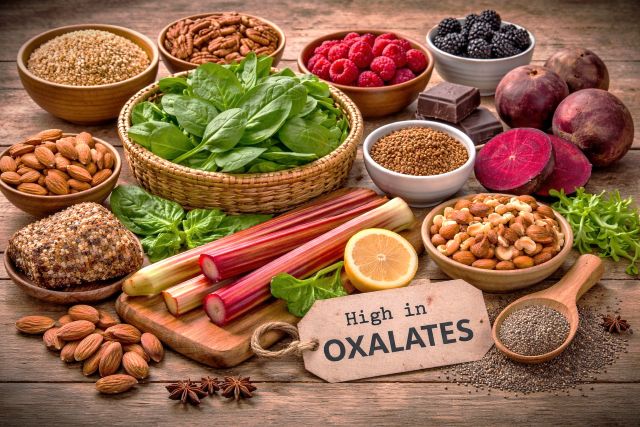
Oxalates serve a protective function in nature. Plants use them as a natural defense against pests by forming sharp-edged crystals that can damage the tissues of insects.
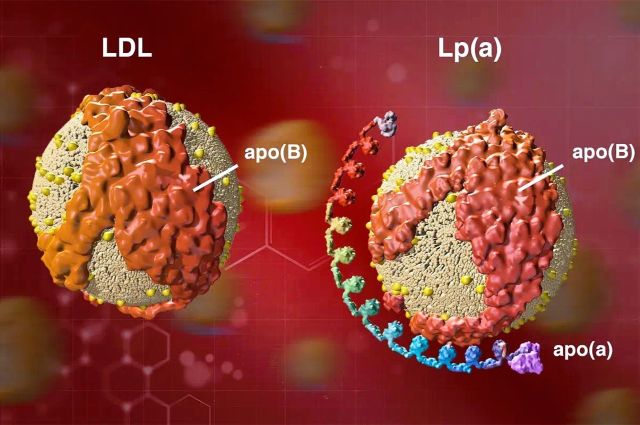
Many people believe that if their cholesterol level is normal, their heart is safe. However, statistics show the opposite: heart attacks and strokes often occur in people whose test results do not raise any concerns.
One of the reasons for such “unexplained” cases is lipoprotein(a) or Lp(a) - a little-known but extremely important marker of cardiovascular risk.

The speed and pattern of aging differ for each person: in one, blood vessels are the first to be affected, in another — the joints, and in a third — the cognitive sphere. Therefore, an effective program must be based on objective data, not only on the clinical picture.

Aging is a natural biological process that affects every level of the body’s functioning. Over time, the ability of cells to repair themselves declines, damage accumulates, and adaptive mechanisms weaken. But the pace and manifestations of aging vary greatly from person to person: some remain active and mentally sharp well into old age, while others experience significant decline as early as middle age.

Bifidobacteria are one of the key representatives of the normal gut microbiota, playing an important role in maintaining overall health. They colonize the intestines from the first days of life and participate in numerous processes that support digestion, strengthen the immune system, and synthesize essential vitamins.
However, with age and under the influence of various factors, their numbers decrease, leading to microbial imbalance and increasing the risk of various diseases. Understanding the distribution of bifidobacteria in the gut, their functions, and the factors that affect their levels helps maintain microbiome balance and prevent potential health problems.

Microbiome refers to the collection of microorganisms that inhabit not only the gut, but also the skin, respiratory tract, mucous membranes, urogenital system, and even the surrounding environment. The human body contains more microbial cells than human cells: for every human cell, there are about 1.3 microbial cells. The total mass of the microbiome is 1.5–2 kg, and its genes outnumber human genes by a factor of 150.

Epstein-Barr virus (EBV) is a member of the herpesvirus group, most commonly associated with infectious mononucleosis. In the acute phase of the disease, EBV can cause severe symptoms such as high fever, sore throat, swollen lymph nodes, and fatigue, which significantly reduce the quality of life.
Effective treatment at this stage is important not only for alleviating symptoms but also for preventing complications and the progression of the infection into a chronic form. This article discusses approaches to symptomatic treatment of the acute phase of EBV infection, as well as other herpesvirus infections, taking into account their characteristics and factors influencing the success of therapy.

Scurvy is a disease known since the days of long sea voyages when sailors suffered from the lack of fresh food. The disease manifested itself in fatigue, anemia, bleeding gums, bruising, and swollen joints. The link between the disease and a deficiency of something found in “acidic fruits” was established by Scottish doctor James Lind in 1747. His research showed that including citrus fruits in the diet effectively prevented and treated this condition, saving the lives of many sailors.

Iron deficiency is a condition in which the level of iron in the body decreases, leading to insufficient amounts for normal hemoglobin synthesis. Although iron deficiency itself is not anemia, it can cause various unpleasant symptoms such as weakness, fatigue, and cognitive decline. If iron deficiency progresses, it can lead to the development of iron deficiency anemia, which poses a serious health risk. Iron deficiency anemia can develop not only due to a lack of iron but also as a result of other factors that interfere with the body’s ability to absorb or utilize iron.