
Botox Research Shows: It’s Cosmetic, Not a Wellness Procedure, Part 1
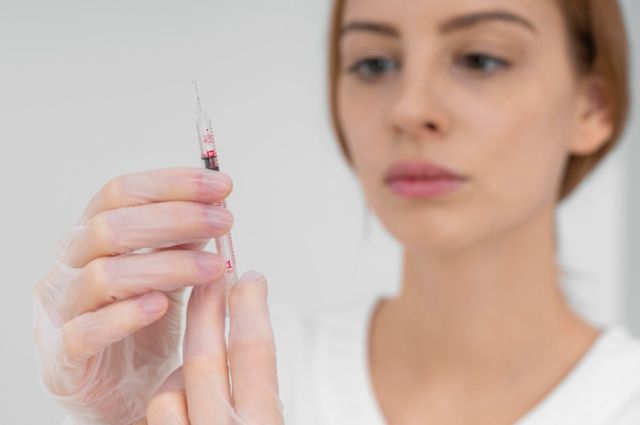
Botulinum toxin in cosmetology is often perceived as a routine aesthetic procedure, comparable to non-invasive appearance-enhancing methods. This creates a sense of simplicity and safety and gradually blurs the boundary between a medicinal product and a cosmetic service. At the same time, Botox remains a pharmaceutical drug with a clearly defined mechanism of action, regulatory oversight, and an extensive list of warnings regarding potential adverse effects.
Additional confusion arises from the fact that the same drug is widely used in neurology, urology, and other medical fields. All regulatory requirements and warnings accompanying botulinum toxin are formulated specifically on the basis of this medical use, not cosmetology. However, in aesthetic practice these aspects often remain out of view, which leads patients to develop expectations of a “benefit for the body” or a health-promoting effect.
A separate role in this perception is played by the involvement of naturopathic medicine physicians in administering botulinum toxin injections within their practice. For some patients, this becomes a signal that Botox allegedly belongs to supportive or health-enhancing methods, although from a regulatory and pharmacological standpoint this is not the case. The purpose of this article is to examine botulinum toxin precisely within this context.
Public rejection of Botox and the divergence between professional and popular perception
In early 2011, Nicole Kidman publicly spoke about her negative experience with Botox, noting a pronounced restriction of facial movement and a loss of normal facial expressiveness. According to her, the frozen facial expression proved incompatible with acting, which became the reason for discontinuing further injections.
Within the professional acting community, this coincided with a more restrained attitude toward methods based on disabling facial muscles. In professions where facial expressiveness is of key importance, the limitations of neurotoxic interventions became increasingly evident, and interest shifted toward aesthetic approaches that do not directly interfere with neuromuscular transmission.
At the same time, outside the acting community, Botox remains a widely used procedure to this day. However, limitation of facial movement is only the most visible external effect; to understand this issue, it is necessary to examine the pharmacological nature of botulinum toxin and its mechanism of action.
Bacteria Producing Botulinum Toxin and Foodborne Botulism
In nature, botulinum toxin is produced by anaerobic bacteria of the genus Clostridium, primarily Clostridium botulinum. These bacteria are widespread in the environment and become dangerous when anaerobic conditions are created, under which they begin to actively produce the toxin. A typical example is improperly preserved foods in which live Clostridium botulinum bacteria are present and conditions allow them to produce toxin.
It is important to note that in foodborne botulism, a person reacts to the toxin itself rather than to the bacteria. Even a microscopic amount of botulinum toxin ingested with food can cause severe, life-threatening systemic poisoning. After absorption, the toxin spreads via the bloodstream and affects nerve endings throughout the body, disrupting signal transmission to muscles and glands.
Clinically, this manifests as descending muscle weakness: impairment of vision, speech, and swallowing, followed by involvement of the respiratory musculature. The primary life-threatening factor is respiratory failure. Antitoxic serum can neutralize only free toxin circulating in the blood and does not reverse the action of toxin that has already entered nerve cells. Slightly later, I will explain why creating an antidote to this toxin is fundamentally impossible.
What This Toxin Is and How It Works
Nature of the Drug and Mechanism of Action
In medical and cosmetic practice, the same toxin by nature is used, obtained from controlled laboratory strains of the same bacteria found in nature. The difference lies not in the source of the substance, but in the conditions of its production, the degree of purification, and the standardization of the toxin.
Acetylcholine is a chemical messenger by which the nerve transmits a command for muscle contraction or glandular secretion. Under normal conditions, signal transmission from a nerve to a muscle or gland occurs through the release of acetylcholine. For its release, a specialized protein apparatus exists inside the nerve cell that ensures the discharge of acetylcholine at the appropriate moment.
The mechanism of action of botulinum toxin fundamentally differs from that of most medications. It does not act through reversible receptor blockade and does not “temporarily suppress the signal.” Botulinum toxin penetrates into the presynaptic nerve terminal, that is, the part of the nerve that transmits the signal to a muscle or gland, and acts intracellularly. It cleaves key proteins of this intracellular apparatus. As a result, acetylcholine physically cannot be released, and signal transmission from the nerve to the muscle ceases.
This effect is irreversible at the level of the damaged intracellular structures. The cleaved protein components cannot be restored or “switched back on.” This is precisely why no pharmacological antidote capable of reversing this process after the toxin has entered the nerve terminal exists. In this sense, botulinum toxin fundamentally differs from drugs with a reversible mechanism of action.
Why the Effect of Botox Wears Off Over Time
The weakening of the clinical effect of botulinum toxin over time is not related to a “reversal” of its action and not to pharmacological elimination of the drug, but to biological compensation of the impaired function.
As described above, botulinum toxin irreversibly disrupts the signal transmission mechanism. Restoration of function is possible only through the synthesis of new proteins and the formation of new neuromuscular connections. This is a process of neuronal regeneration and adaptation, not the result of any ongoing pharmacological effect of the drug.
Such recovery requires the body’s biological capacity for regeneration, time, energy, and a sufficient supply of building blocks-primarily amino acids (protein). In the presence of inadequate nutrition, chronic stress, metabolic or hormonal disturbances, or general depletion, compensatory processes slow down. Under these conditions, the effect of botulinum toxin may persist longer, while functional recovery may be incomplete or uneven.
Why the Idea of “Prolonging the Effect” by Restricting Nutrients Is Incorrect
Recommendations to influence the duration of the Botox effect by avoiding vitamins, protein, or other factors that support tissue regeneration are based on a misunderstanding of the mechanism of action of botulinum toxin described above. Reduction of its effect is possible only through biological recovery; therefore, attempts to preserve the effect by limiting resources effectively mean deliberately slowing regenerative processes.
Such slowing cannot be localized to a single area. The body is not capable of selectively inhibiting the restoration of neuromuscular transmission only in the injection zone. Any reduction in the availability of building blocks and energy resources acts systemically, affecting the nervous system, vision, the brain, the skin, and other tissues. This does not influence the action of the toxin at the injection site and does not accelerate its inactivation; instead, it reduces the overall regenerative capacity of the body.
Botox does not “relax the body,” does not improve tissue regulation, and does not have a health-promoting effect. Its action is strictly local and symptomatic: it disables a specific function in a specific area through irreversible damage to the signal transmission mechanism, followed by biological compensation.
The fact that the toxin is of natural origin has no relevance to its safety or physiological benefit. Biological “naturalness” is not synonymous with harmlessness or health-promoting effects-this applies to all highly active substances of natural origin. Other clear examples include mercury, arsenic, and asbestos: they are also natural, yet highly toxic to the human body.
How Botulinum Toxin Is Produced: What Is Important for the Patient to Understand
As already mentioned, the original source of the toxin is a bacterium that, under natural conditions, is capable of producing this compound. In industrial production, a strictly controlled bacterial strain is used, subject to licensing and regulatory oversight. Manufacturing takes place in specialized biotechnology facilities with multi-level biosafety systems.
After the initial material is obtained, the toxin undergoes multi-stage purification. The purpose of this stage is to remove bacterial components and by-products, leaving only the active protein in a standardized form. The degree of purification and reproducibility of activity are the key safety parameters of the product.
The toxin is then stabilized and converted into a pharmaceutical form. In this form, it becomes extremely low in concentration: a single vial contains microscopic amounts of the active substance, measured in nanograms. The activity of the drug is expressed not in mass, but in biological units, which emphasizes that this is not a “dose of substance,” but a strictly measured biological effect.
The final stage is rigorous quality control. Each batch of the drug is tested for compliance with declared activity, purity, and stability. Without passing these stages, the product cannot be approved for medical or cosmetic use. This is why registered botulinum toxin products are manufactured by a limited number of companies and have a high cost.
Regulatory authorities, including the FDA and Health Canada, consider the production of botulinum toxin to be an area of heightened oversight. This is not due to the “danger of cosmetic procedures,” but to the nature of the substance itself-its high biological activity even in negligible quantities.
Against this background, the position of regulators regarding illegal and uncertified products becomes clear. Any substances produced outside the official biotechnological process cannot guarantee dose accuracy, degree of purification, or reproducibility of effect, which directly increases the risk of complications even when formally small cosmetic doses are used.
Where and For What Botulinum Toxin Is Used in Medicine
Botulinum toxin entered clinical practice long before it became associated with aesthetics. Its medical use began in neurology and ophthalmology and gradually expanded as clinical data accumulated. It was medical indications-not cosmetology-that formed the core regulatory framework, warning systems, and safety requirements.
In medicine, botulinum toxin is used to control conditions in which pathologically increased activity of a muscle or gland leads to significant symptoms. Such indications include various forms of dystonia and spasticity, chronic migraine, blepharospasm, neurogenic bladder, detrusor overactivity, as well as certain gastroenterological and proctological conditions associated with sphincter spasm.
In all these cases, Botox is used not as treatment of the underlying cause of the disease, but as a means of temporary symptom control.
Doses, Clinical Context, and Why They Determine Warnings for Cosmetic Use
In medical use of botulinum toxin, doses are significantly higher than cosmetic ones. This involves not tens but hundreds of units per single procedure, often with administration into multiple anatomical areas. It is precisely in this clinical context that most serious adverse effects have been documented, including cases of systemic spread of the toxin’s action.
Regulatory warnings reflected in FDA and Health Canada documents are based on this medical experience. They record real clinical cases observed in the treatment of patients with neurological and other severe conditions, rather than hypothetical risks or theoretical scenarios.
Cosmetic use of botulinum toxin emerged later and employs the same product with the same mechanism of action, but in lower doses and in different areas. In aesthetic practice, as a rule, tens of units are injected into a limited number of superficial muscles, whereas in neurology or urology total doses may reach hundreds of units and be distributed across several functionally significant regions. This is why serious systemic reactions occur much less frequently in cosmetology.
However, from a regulatory standpoint, this is not a “different Botox.” The biological properties of the toxin do not change depending on the purpose of use. It blocks acetylcholine release in the same way-whether used to treat spasticity or to correct facial wrinkles. The difference between medical and cosmetic use lies in the dose, the injection site, and the clinical context, not in the nature of the substance.
For this reason, regulatory warnings are not divided into “medical” and “cosmetic.” The documents reflect the totality of clinical experience with the product, including rare but reported systemic effects. Regulators also do not establish a “safe lower threshold” below which risk is considered impossible. Instead, a dose-dependent risk principle is applied: as the dose decreases, the probability of serious adverse effects is reduced but not considered zero-especially in cases of product quality issues, injection technique errors, or improper repeat-injection intervals.
Which Adverse Effects Are Recorded by Regulators
Regulatory documents do not assess the “typicality” or expected nature of adverse effects from the perspective of aesthetic practice. Their task is to record all adverse reactions that have been reliably documented during clinical trials and post-marketing surveillance of botulinum toxin use in general, regardless of indication or dose.
Official materials primarily describe local reactions at the injection site. These include pain, redness, swelling, bruising, temporary asymmetry, and localized muscle weakness. These effects are directly related to injection technique and regional anatomy and are the most common in aesthetic practice.
Autonomic and systemic reactions are presented as a separate block in regulatory documentation. Post-marketing reports mention urological symptoms, gastrointestinal manifestations (dysphagia, nausea, abdominal pain, diarrhea, vomiting), as well as rare cardiovascular events, including arrhythmias and myocardial infarction, in isolated cases with fatal outcomes. Regulators emphasize that such reports do not always allow a direct cause-and-effect relationship to be established and that some patients had pre-existing risk factors. These data reflect pharmacovigilance observations rather than a proven mechanism of direct toxic action.
Within systemic reactions, a formally recognized regulatory risk is specifically identified as “distant spread of toxin effect.” This term describes the manifestation of botulinum toxin effects beyond the injection site, involving functions that were not initially intended to be blocked. Documents explicitly list possible manifestations: generalized muscle weakness, speech, swallowing, and breathing disorders, which may develop within a period ranging from several hours to several weeks after injection.
Regulators do not describe a specific mechanism for these effects but record the clinical fact of their occurrence and do not conclude that the risk is negligible or inapplicable to cosmetology. Official texts list situations in which the probability of systemic effects may increase: high total dose, dosing errors, unstable or incorrect product concentration, violations of injection technique, use of poor-quality or uncertified products, and individual vulnerability of neuromuscular transmission, in which a standard dose produces a more pronounced effect.
In Canadian regulatory practice, distant spread of toxin effect is considered an umbrella term for rare systemic reactions to botulinum toxin use. The highest risk of such effects has been described in children treated for spasticity; however, it is explicitly stated that similar symptoms are also possible in adults-especially when large doses are used or predisposing factors are present.
At the same time, regulatory documents fundamentally do not interpret the listed effects as “common” or “expected” in cosmetic use. They record the fact that such reactions have been registered in clinical practice. Thus, the list of adverse effects in official sources reflects the pharmacological properties of botulinum toxin and the accumulated clinical experience of its use and does not constitute a prediction of what will necessarily occur during a cosmetic procedure.
Conditions Under Which Problems Are Described in Regulatory Documents
Regulatory documents emphasize that the risk of systemic and severe adverse effects depends not only on the dose, but also on the patient’s condition. At the same time, official texts usually do not use the category of “increased vulnerability” as a separate clinical term. Instead, they list conditions and situations in which the effect of botulinum toxin may be more pronounced or potentially hazardous.
Monographs specifically mention disorders of neuromuscular transmission, including peripheral neuropathies and neurodegenerative diseases, which are cited as examples of clinical conditions requiring particular caution. Regulatory documents record these conditions as such, without analyzing their causes, including metabolic and nutritional factors.
At the same time, vitamin B12 and folate deficiency is one of the common causes of peripheral neuropathies and reduced neural regeneration, which functionally increases the vulnerability of neuromuscular transmission. However, such deficiencies are not among the parameters routinely assessed prior to botulinum toxin injections.
The significance of pre-existing swallowing and breathing disorders is emphasized separately. Since dysphagia and respiratory impairment are listed among the potential systemic effects of the toxin, the presence of already existing dysfunctions of these functions is considered a factor requiring increased caution. This applies not only to neurological patients, but also to individuals with conditions that limit respiratory reserve.
It is important that most of these warnings are based on the medical use of botulinum toxin, where high doses are used and patients with severe neurological and somatic pathology are treated. However, the listed conditions are included in universal regulatory documents and are also subject to consideration in cosmetic practice, since they relate to the pharmacological effect of the same drug.
Counterfeit Products and Unqualified Practitioners as a Source of Increased Risk
For botulinum toxin, product quality and practitioner qualification are of critical importance. This is related to the very nature of the substance.
Botox is administered in extremely small doses-so small that a concentration error by even a few-fold can easily occur if production, dilution, or storage standards are violated. There is no “margin of safety” here: the difference between the expected and actual dose is measured not in milligrams, but in the magnitude of biological effect.
Botulinum toxin is a protein neurotoxin of bacterial origin, and the degree of purification is fundamentally important for it. Impurities, residual proteins, and unstable activity make the drug’s action less predictable and increase the risk of adverse effects-even at formally cosmetic doses.
The use of counterfeit or uncertified products means that:
- The actual activity may be higher or unstable;
- The degree of purification is not guaranteed;
- The actual exposure to the toxin may differ significantly from what is expected.
The second key problem is unqualified practitioners. Errors in dilution, dosing, or zone selection-such as intravascular injection or entry of the drug into the systemic circulation-can increase the risk of systemic effects, while injection depth and procedure frequency directly increase the risk of non-local effects. At the same time, the cumulative toxin load may imperceptibly approach therapeutic levels-but without appropriate clinical oversight.
For this reason, regulators regard both the origin of the product and the professional competence of the practitioner as fundamental conditions of safety-regardless of whether Botox is used in medicine or cosmetology.
Is There Any Benefit to the Body, and Where Does This Expectation Come From
The question of a “benefit to the body” is one of the most frequent in the context of cosmetic Botox, and it does not arise by chance. Botulinum toxin is used for medical indications, is administered by naturopaths, and is biologically derived from a natural source. Taken together, this creates the impression that the product may have not only a local aesthetic effect, but also some kind of systemic or health-promoting value. From a regulatory perspective, this expectation is incorrect.
Both the FDA and Health Canada regard botulinum toxin exclusively as a symptomatic drug. It is not intended to improve overall health, support physiological functions, or “balance” bodily systems. Its only biological function is to temporarily block the release of acetylcholine at the injection site and thereby reduce the activity of a muscle or gland.
The perception of benefit to the body often arises from indirect effects. Reduction of muscle spasm, decreased pain, or relief of tension may improve sleep, well-being, and stress tolerance. These changes are subjectively perceived as an overall improvement, although in reality they are the result of controlling a specific symptom rather than restoring or strengthening physiology. For example, muscle spasm may arise due to magnesium deficiency in the body; it may disappear after a Botox injection, but it would be far more appropriate to supply the body with sufficient magnesium to address the underlying problem.
A separate role is played by the involvement of naturopaths in injection practice. For some patients, this serves as a marker of “naturalness” or alignment with a health-oriented philosophy. However, in this case the determining factor is not the professional profile of the practitioner, but the nature of the substance itself. Botulinum toxin remains a pharmacological neurotoxin with a narrow mechanism of action and strictly regulated, limited use. Its administration by a naturopathic physician does not change the pharmacology of the drug and does not confer any additional health-promoting properties. In some states and provinces, naturopathic physicians are permitted to use pharmaceutical drugs in their practice; it is typically in these jurisdictions that they may also use Botox, provided they have additional certification.
It is also important to understand that the absence of long-term harm when used correctly is not the same as the presence of benefit. Regulators allow the use of Botox because, when indications and doses are respected, it is considered acceptable in terms of the risk-benefit balance for a specific purpose-correction of a symptom or an external manifestation. This is fundamentally different from the concepts of prevention, health support, or systemic health promotion.
Thus, Botox is not “beneficial to the body” in either a cosmetic or a medical context. Its value lies in its ability to temporarily and controllably alter the function of a specific structure. All other effects are secondary and subjective and do not reflect a biological benefit to the body as a whole.