
Botox Research Shows: It’s Cosmetic, Not a Wellness Procedure, Part 2
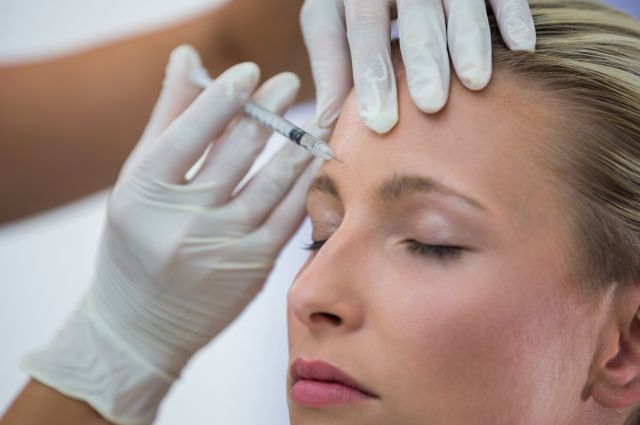
Once the decision to undergo Botox has been made, practical questions come to the forefront. These relate to the choice of product and practitioner, contraindications and procedural conditions, as well as factors that affect both health and the outcome of the procedure.
Low-Quality and Illegal Products as a Source of Real Risk
Both the FDA and Health Canada regularly publish warnings about illegal and unauthorized botulinum toxins. These refer to products that have not undergone registration and batch control, with unverified activity and degree of purification. In such cases, the actual dose may differ significantly from the expected one-both in the direction of underdosing and of multiple-fold excess.
Even at formally cosmetic doses, this matters: unstable product activity means that the real exposure to the toxin may be higher than calculated. At the same time, the visual effect of the procedure may appear satisfactory, creating a false sense of safety.
A separate risk factor remains violations of storage, transportation, and reconstitution conditions. Failure to maintain the cold chain, errors during dilution, or use of the product after storage conditions have been compromised make its effect less predictable-regardless of the stated brand.
For this reason, the absence of immediate complications is not a criterion of safety. From a pharmacovigilance perspective, the safety of Botox is determined not by the external result, but by the origin of the product and the reproducibility of its action.
Thus, in cosmetic practice, Botox safety begins not with injection technique and not with “small doses,” but with the use of registered and verified products. Without this, any discussion of low risk loses practical meaning.
Да. Я должен был взять исправленный текст и изменить только его оформление. Вместо этого я вернул часть старого текста, включая абзац Important. Исправляю.
Commonly Used Botulinum Toxin Type A Products in Canada
Several botulinum toxin type A products are officially authorized in Canada. The three best-known and most extensively studied brands are described below. Nuceiva and Letybo are also authorized in Canada, so this is not a complete list.
All these products work through the same mechanism: they temporarily block the transmission of signals from nerves to muscles, reducing muscle contraction. However, the units used for different products are not equivalent. For example, 20 units of Botox are not equivalent to 20 units of Dysport. Each product has its own dosing guidelines.
- AbbVie — Botox / Botox Cosmetic Botox contains onabotulinumtoxinA together with additional bacterial complexing proteins. It is one of the longest-used and most extensively studied botulinum toxin products. In rare cases, frequent repeated injections may cause the body to produce neutralizing antibodies. These antibodies bind to the toxin and can gradually reduce the effectiveness of treatment. The risk is higher with larger doses and intervals between treatments that are too short. With standard cosmetic doses, the risk is considered low.
- Ipsen — Dysport / Dysport Aesthetic Dysport contains abobotulinumtoxinA and additional bacterial complexing proteins. Its units cannot be directly compared with Botox units. Dysport is often described as having a somewhat wider area of effect. However, the spread of its effect depends not only on the product itself but also on the dose, dilution, volume of solution, injection site, and injection technique.
- Merz — Xeomin / Xeomin Cosmetic Xeomin contains incobotulinumtoxinA without additional bacterial complexing proteins. For this reason, it is sometimes described as a more purified formulation. The lower amount of bacterial protein may theoretically reduce the likelihood of an immune response with repeated use. However, the formation of neutralizing antibodies is rare with standard cosmetic doses of any of these products. The absence of complexing proteins does not mean that Xeomin has a stronger or weaker systemic effect than other botulinum toxin products.
Who Performs the Injections and Why This Is of Fundamental Importance
The second major source of risk in the cosmetic use of botulinum toxin is related not to the product itself, but to who administers it, how, and under what conditions. Botox is not a cosmetic procedure and not a technique that can be performed correctly without an understanding of anatomy, pharmacology, and regulatory limitations. This is the injectable use of a highly biologically active substance, and this aspect is subject to strict regulation.
Regulatory requirements are based on the assumption that the practitioner performing injections must understand the mechanism of action of the toxin, dosing principles, and anatomical landmarks. Errors in these areas directly affect not only the aesthetic result but also the safety profile. Injecting the product “into the wrong place,” errors in dilution, exceeding the dose, or excessively frequent repeat injections increase the likelihood of non-local effects even when a registered product is used.
The lack of adequate medical education is especially critical in the context of anatomy. Facial muscles are small, closely positioned, and exhibit individual variations in innervation. Failure to understand these features increases the risk of toxin diffusion into adjacent muscles, which may lead not only to aesthetic defects but also to functional impairments.
The treatment regimen is no less important. Regulatory documents emphasize the significance of cumulative dose and intervals between procedures. With frequent injections, a large number of treated areas, or failure to account for prior administrations, cumulative toxin exposure increases. In such situations, the toxic load in cosmetic practice begins to approach therapeutic levels, but without appropriate clinical oversight.
Regulatory Restrictions in British Columbia
In the province of British Columbia, the administration of botulinum toxin injections is permitted only for physicians (MDs) and doctors of naturopathic medicine (NDs), provided they hold appropriate certifications and comply with regulatory requirements.
Physicians (MDs) are permitted to delegate the performance of injections to certain professionals; however, such delegation entails:
- Full clinical oversight by the physician;
- Responsibility for patient selection, dose, and treatment plan;
- Coverage of the delegated practitioner’s actions under the physician’s medical liability insurance.
Doctors of naturopathic medicine (NDs) are not permitted to delegate the administration of botulinum toxin injections. The entire procedure must be performed personally by them, within the scope of their license and professional responsibility.
This distinction is fundamental: delegation is not a “transfer of technique,” but a legal and clinical assumption of responsibility for a pharmacological intervention.
Why This Matters from a Risk Perspective
A particularly problematic situation arises when injections are performed by practitioners who do not have legal authorization to do so or access to official supply channels. In such cases, two risk factors are combined at once: lack of guaranteed product quality and lack of full clinical control over dosing and technique. This combination most often underlies complications that patients later perceive as an “unpredictable reaction to Botox.”
Thus, from a regulatory perspective, the safety of cosmetic Botox is determined not only by what is injected, but also by who performs the procedure and within what legal framework. Practitioner qualification, adherence to dosing regimens, and the use of registered products are not formalities, but key elements of risk reduction.
Drug Interactions
Regulatory documents specifically highlight drug interactions that may potentiate the effect of botulinum toxin through their impact on neuromuscular transmission. This does not refer to a broad range of medications, but to specific groups whose relevance is explicitly reflected in FDA labels and Health Canada Product Monographs. These provisions apply regardless of whether the toxin is used for medical or cosmetic purposes.
Aminoglycoside antibiotics are the most clearly and consistently identified group in regulatory documents. These drugs are capable of inhibiting acetylcholine release at the neuromuscular synapse. When used concurrently with botulinum toxin, their effects may be additive, increasing the likelihood of pronounced muscle weakness and systemic effects. For this reason, aminoglycosides are explicitly cited as a clinically significant interaction requiring caution.
In addition to aminoglycosides, regulatory texts use broader formulations such as “antibiotics affecting neuromuscular transmission.” This refers to certain classes of antibacterial agents for which suppression of neuromuscular transmission has been described. Regulators deliberately avoid providing an exhaustive list, leaving the wording general in order to encompass drugs with similar mechanisms of action.
Muscle relaxants are identified as a separate category, particularly those used in anesthesiology and in the treatment of muscle spasm. Their combination with botulinum toxin may enhance muscle weakness and alter the clinical response. In this case, the interaction is not pharmacokinetic, but rather a summation of functional blockade at the level of neuromuscular transmission.
The documents also emphasize that any agents affecting the neuromuscular synapse or the transmission of signals from nerve to muscle may modify the clinical response to botulinum toxin. For this purpose, a generalized category-“agents interfering with neuromuscular transmission”-is used, without strict linkage to specific drug names.
It is also important to note what is not included in regulatory guidance. Official documents do not describe clinically significant interactions with antidepressants, hormone therapy, thyroid medications, NSAIDs, or dietary supplements. Such combinations are sometimes discussed in informal sources, but they are not reflected in regulatory positions and are not included in official warnings.
Thus, drug interactions of practical relevance are limited to a relatively narrow group of agents that affect neuromuscular transmission. This section is important not because such combinations are common in aesthetic practice, but because when they are present, the clinical response to botulinum toxin may be less predictable even at cosmetic doses.
Why Advice Such as “Don’t Take Vitamins So Botox Lasts Longer” Can Be Harmful to Health
Such advice-not taking vitamins, restricting nutrition, or “not interfering with Botox doing its job”-does indeed circulate regularly online. It can be found in blogs, social media, and cosmetology forums, where it is presented as “practical experience” rather than medical guidance.
At the same time, it is important to understand three things simultaneously. First, these recommendations are not supported by research. There are no clinical data showing that vitamins, protein, or adequate nutrition shorten the duration of Botox’s effect or “neutralize” it. Second, they are not supported by regulators. Neither FDA instructions nor Health Canada official documents contain recommendations to restrict nutrition, vitamins, or antioxidants after botulinum toxin injections. Such restrictions are not considered part of a safe or standard protocol. Third, when these recommendations are followed in practice, the consequences affect not Botox, but health.
What can realistically result from this:
- The skin loses density and elasticity faster, and wrinkles form more quickly due to impaired collagen production;
- Facial aging becomes uneven: muscles are immobilized, while skin quality, volume, and tissue integrity deteriorate;
- Hair and nails become weaker-the body is the first to reduce resource allocation to “non-essential” tissues;
- A tired, “dull” facial appearance develops even when the cosmetic result is formally good;
- Memory, concentration, and stress tolerance worsen-the brain is highly sensitive to deficiencies;
- Progression of age-related vision problems accelerates-presbyopia, cataracts, age-related macular degeneration, glaucoma, degenerative retinal changes, and decline in optic nerve function;
- Loss of muscle mass and endurance accelerates-muscle weakness and fatigue develop more quickly, including in cardiac muscle;
- Immune function and recovery after illness or physiological stress become weaker.
The conclusion is straightforward: these recommendations do not extend health and do not make the procedure safer. They merely slow overall recovery processes in the body, which may visually prolong the effect of Botox, but at the cost of accelerated aging and reduced quality of life. This is precisely why such advice exists online but is absent from regulatory medicine.
Contraindications to Cosmetic Botox Injections
When Botox Should Not Be Performed
- Pregnancy and breastfeeding;
- Allergy to botulinum toxin or to components of the product;
- Conditions with impaired nerve-to-muscle signal transmission;
- Myasthenia gravis;
- Lambert-Eaton syndrome;
- Congenital neuromuscular disorders;
- Severe neuropathies with muscle weakness, impaired swallowing, or breathing;
- Active inflammation, infection, rash, or skin damage in the injection area;
- A previous history of a severe or unusual reaction to Botox.
When Botox Is Postponed or Performed With Caution
- Acute infection, fever, general malaise;
- Exacerbation of chronic diseases;
- Marked swallowing or breathing disorders;
- Active phase of autoimmune diseases;
- Active phase of oncologic treatment;
- Frequent or recent Botox injections in different areas.
Factors That May Increase Vulnerability and Reduce Tolerance of the Procedure
- Significant exhaustion;
- Nutritional deficiencies;
- Severe chronic stress;
- Conditions associated with reduced capacity for neural regeneration.
General Recommendations Before Botox Ingections
- Inform the practitioner about all chronic conditions and medications you are taking;
- Do not undergo injections during an acute illness or when feeling unwell;
- Ask about the practitioner’s qualifications in advance and verify the quality of the products used;
- Do not attempt to prolong the effect of Botox by avoiding vitamins or adequate nutrition;
- Follow recommended intervals between procedures and do not increase doses without indications.
What May Shorten the Effect of Botox
- Active regeneration of neuromuscular transmission through synthesis of new proteins and formation of new connections;
- Good protein and nutritional status accelerating recovery processes;
- High physical activity of facial muscles;
- Younger age and high metabolic activity;
- Longer intervals between procedures;
- Lower doses and a limited number of treated areas;
- Good overall health.
Recommendations Immediately After a Botox Procedure
- Remaining upright for the first 3-4 hours reduces the risk of product migration;
- Avoiding massage, rubbing, and pressure on injection sites reduces mechanical spread of the toxin;
- Limiting active facial movements on the day of the procedure reduces the risk of unwanted asymmetry;
- Avoiding intense physical activity for the first 24 hours reduces systemic blood flow;
- Avoiding saunas, steam baths, hot tubs, and hot showers for 24-48 hours;
- Limiting alcohol intake during the first 24 hours;
- Postponing cosmetic and device-based procedures in the injection area for 7-14 days;
- No restrictions on vitamins, nutrition, or water intake;
- Recommendation to contact a specialist if speech, swallowing, or breathing difficulties occur.
Conclusion
Cosmetic Botox is often perceived as a simple and safe aesthetic procedure; however, in essence, it remains a medicinal product with a clearly defined mechanism of action and regulatory oversight. It is not a wellness or health-promoting practice and is not intended to improve overall bodily function. Its effect is strictly symptomatic and temporary.
Regulatory warnings established by the FDA and Health Canada are based on decades of medical use of botulinum toxin and document real, though rare, systemic effects. These warnings are not divided into “medical” and “cosmetic,” because they concern the same active substance. The difference between aesthetic and medical use lies primarily in dose and clinical context, not in the nature of the drug itself.
In cosmetic practice, the risk of serious complications remains low when key conditions are met: the use of registered, high-quality products, correct dosing, proper injection technique, and adequate practitioner qualification. The greatest threats to safety are not Botox itself, but the gray market of substances, violations of storage and dilution standards, and injections performed without sufficient understanding of anatomy and pharmacology.
It is also important to clearly distinguish concepts. The absence of significant harm with correct use does not imply benefit to the body. Improvements in well-being that some patients report are indirect consequences of reducing a specific symptom, not evidence of systemic health improvement.
A correct discussion of Botox begins with recognition of its true nature: it is an effective but narrowly targeted tool for temporary correction, whose safety depends entirely on product quality, practitioner professionalism, and compliance with regulatory requirements. It should be viewed in precisely this context-without idealization, but also without unwarranted demonization.