Tachycardia

What Happens to Your Heart When Magnesium Is Low
Image

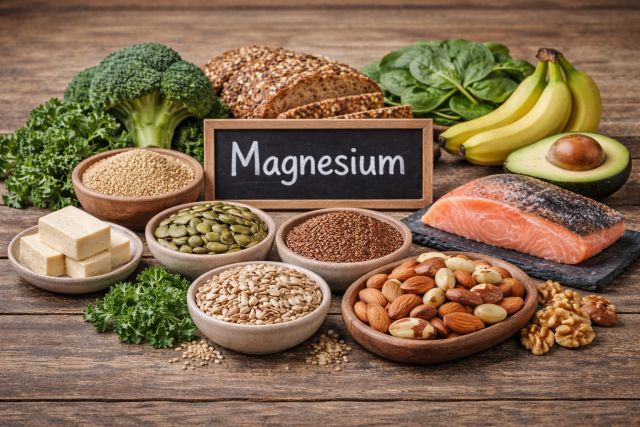
Magnesium is one of the fundamental minerals without which stable functioning of the cardiovascular system is impossible. When magnesium is deficient, the heart is often one of the first structures to respond, with rhythm disturbances and reduced tolerance to physical load. At the same time, magnesium does not play a narrowly “cardiological” role, but participates in the functioning of the nervous, gastrointestinal, muscular, skeletal, and other systems of the body. It is involved in hundreds of biochemical processes, supports energy metabolism, regulates cellular excitability, and influences the body’s adaptation to physical and psychological stress. At the same time, magnesium deficiency remains one of the most common and, at the same time, one of the least recognized conditions.


Congestive Heart Failure: New Symptoms You Should Not Ignore

Image

Chronic heart failure (CHF) rarely develops suddenly. More often, it begins with sensations that seem familiar and do not cause concern. A person becomes fatigued more quickly, and routine activities require pauses and longer recovery. These changes are usually attributed to age, stress, lack of sleep, or decreased physical fitness. In the morning, well-being partially improves, which reinforces the sense that nothing serious is happening.

The Truth About Histamine Overload: Hidden Symptoms, Possible Solution

Image

Imagine someone starts noticing strange, seemingly unrelated symptoms. After a glass of wine — a sudden hot flush, nasal congestion, and a feeling of an oncoming cold. A bit of aged cheese — itching, heaviness in the stomach, bloating. After eating strawberries — a rash that disappears without a trace in a couple of hours.

In the morning — a dull headache “out of nowhere.” Throughout the day — bouts of irritability and anxiety. In the evening — insomnia and restless sleep. Sometimes after eating — a wave of fatigue so strong it feels like the body is “shutting down.” During stress or certain phases of the hormonal cycle — abdominal pain intensifies, dark thoughts appear, only to be suddenly replaced by a burst of energy and hyperactivity.

Vitamin B12 Deficiency: Health Consequences and How to Prevent Them

Image

Vitamin B12, also known as cobalamin, is a crucial water-soluble vitamin that plays a key role in maintaining nervous system health, red blood cell formation, and DNA synthesis. It is essential for normal brain and nerve function, as well as for energy production in the body. Vitamin B12 is naturally found in animal products such as meat, fish, dairy, and eggs. Adequate intake is vital for normal bodily function, as a deficiency can lead to serious health issues.