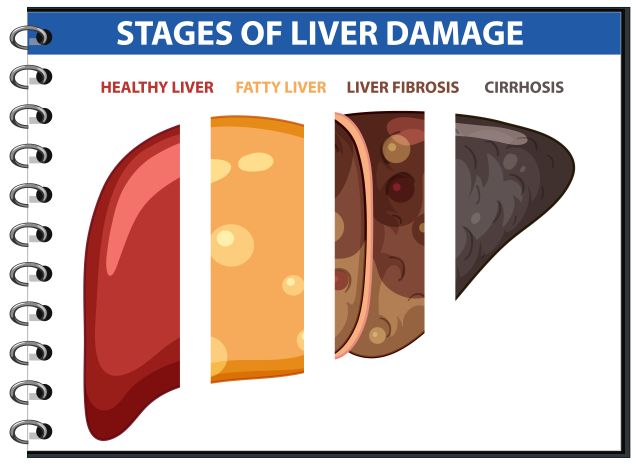
Diagnosis “fatty liver” is now increasingly detected incidentally-during ultrasound, CT, or MRI examinations performed for other reasons. It is found in people of different ages, body types, and lifestyles, often in the complete absence of pain, pronounced complaints, or abnormalities in standard blood tests.
Epigenetic marks play a crucial role in maintaining health throughout life by regulating biological processes and predisposition to diseases. Understanding when and how these marks can change opens new opportunities for the prevention of chronic diseases and improving quality of life. In the first part of the article, we examined the theoretical aspects of epigenetics, how and when these changes occur, and their impact on health. In the second part, we will focus on practical approaches: how to influence epigenetics through nutrition, lifestyle, and other available strategies. Particular attention will be given to critical periods such as pre-pregnancy preparation, childhood, adolescence, and aging when external factors can have the most significant long-term effects on health.