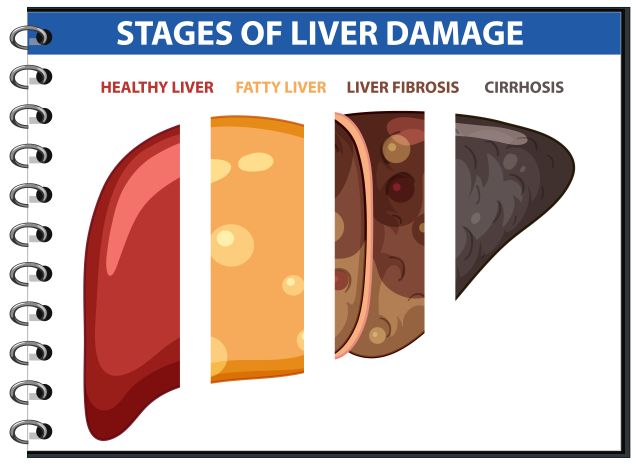
Diagnosis “fatty liver” is now increasingly detected incidentally-during ultrasound, CT, or MRI examinations performed for other reasons. It is found in people of different ages, body types, and lifestyles, often in the complete absence of pain, pronounced complaints, or abnormalities in standard blood tests.
Although the physiological changes of pregnancy develop simultaneously across many systems, different processes may dominate at different stages. In early pregnancy, hormonal shifts, restructuring of vascular tone, activation of the thyroid gland, and increased toxic load associated with the processing of a large volume of hormonal metabolites are more pronounced. In mid-pregnancy, the increasing metabolic load and the expansion of circulating blood volume come to the forefront. In late pregnancy, mechanical and compressive factors related to uterine growth become more prominent.
Pregnancy is a period when the body begins to function under significantly altered conditions. Within a short time, the systems of circulation, digestion, hormonal regulation, immunity, metabolism, and the functioning of internal organs undergo restructuring. These changes are normal and are aimed at the development of the child; however, they require a large amount of resources and stability of all physiological processes.
Those who have never experienced a migraine rarely understand what stands behind this word. It is not just a headache and not the fatigue after a hard day. A migraine seems to switch a person off from life: light becomes unbearably bright, sounds - deafening, and even slight movement intensifies the pain. In such moments you want only one thing - to hide in silence, darkness, and rest.
Many people believe that if their cholesterol level is normal, their heart is safe. However, statistics show the opposite: heart attacks and strokes often occur in people whose test results do not raise any concerns.
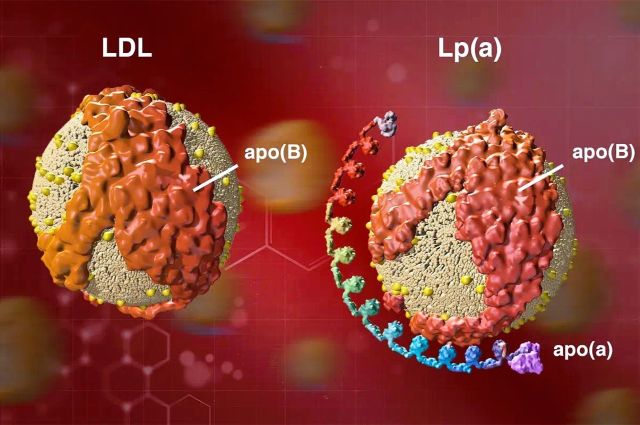
One of the reasons for such “unexplained” cases is lipoprotein(a) or Lp(a) - a little-known but extremely important marker of cardiovascular risk.
The speed and pattern of aging differ for each person: in one, blood vessels are the first to be affected, in another — the joints, and in a third — the cognitive sphere. Therefore, an effective program must be based on objective data, not only on the clinical picture.
Aging is a natural biological process that affects every level of the body’s functioning. Over time, the ability of cells to repair themselves declines, damage accumulates, and adaptive mechanisms weaken. But the pace and manifestations of aging vary greatly from person to person: some remain active and mentally sharp well into old age, while others experience significant decline as early as middle age.
Asthma is a chronic inflammatory disease that can become life-threatening if attacks are not controlled with medication. During an asthma attack, the airways narrow and fill with mucus, leading to symptoms such as coughing, shortness of breath, and wheezing.
Epigenetic marks play a crucial role in maintaining health throughout life by regulating biological processes and predisposition to diseases. Understanding when and how these marks can change opens new opportunities for the prevention of chronic diseases and improving quality of life. In the first part of the article, we examined the theoretical aspects of epigenetics, how and when these changes occur, and their impact on health. In the second part, we will focus on practical approaches: how to influence epigenetics through nutrition, lifestyle, and other available strategies. Particular attention will be given to critical periods such as pre-pregnancy preparation, childhood, adolescence, and aging when external factors can have the most significant long-term effects on health.