Food Poisoning

Wild Game And Fish And How To Consume Them Safely, Part 2
Image

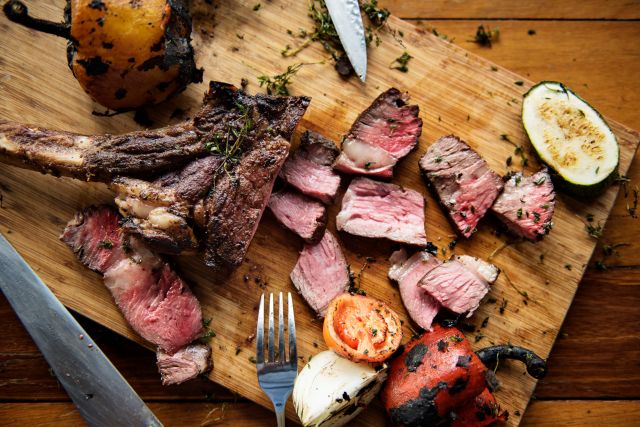
Not all infections associated with game are transmitted through consumption of meat. Some pathogens enter the body during carcass processing, through contact with blood, tissues, and animal fluids, via aerosols, or through a contaminated environment. In these cases, a person may not eat game at all and still become infected.
Wild Game And Fish And How To Consume Them Safely, Part 1

Image

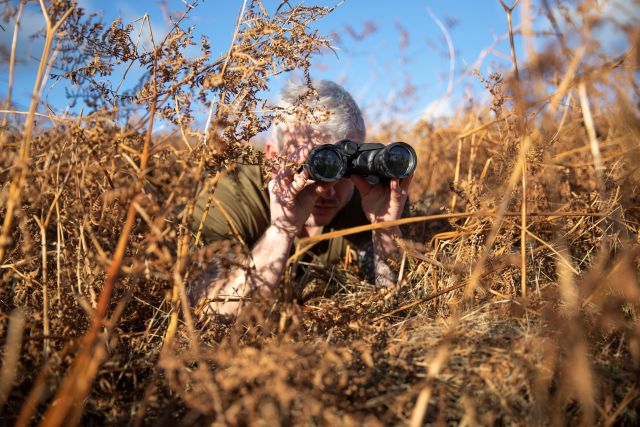
Many people significantly underestimate the risks associated with consuming meat from wild animals. First of all, this is due to a persistent belief in everything “natural” and the conviction that game meat is a priori cleaner and healthier than store-bought meat. This misconception is further reinforced by the habits of hunters and tourists: “we have always cooked it this way,” “hot food cannot be raw,” “it is natural meat.” As a result, people become convinced that game is safe in itself, regardless of how thoroughly it is prepared.

The Truth About Vegan And Vegetarian Diets: Essential Nutrients, Hidden Risks, Real Solutions

Image

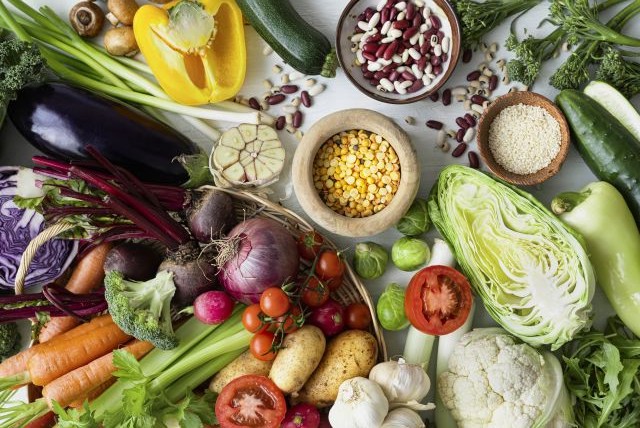
Plant-based diets are becoming increasingly common, and their selection is often associated with ethical, environmental, or individual preferences. Vegetarian and fully plant-based diets can be viable, but they differ in nutrient composition, absorption, and the need for correction.

Food Preservation Safety: Proven Methods, Hidden Risks, And Modern Solutions, Part 1

Image

Humanity has always sought to extend the life of food - from the first farmers drying grain in the sun to modern laboratories with vacuum and freeze-drying systems. The reason is the same as it was thousands of years ago: food is seasonal. The ability to preserve it once meant surviving the winter, waiting for the next harvest, and remaining independent of chance supplies.

SIBO: What Lies Behind the Condition Mistaken for a Disease, Part 1

Image

SIBO (Small Intestinal Bacterial Overgrowth) is a condition where bacteria that are normally present in small amounts in the small intestine—or that typically reside in the large intestine—begin to proliferate in the small intestine. SIBO disrupts normal digestion and nutrient absorption.

Symptoms of SIBO include bloating, abdominal pain, diarrhea, or constipation. However, it’s not just discomfort—SIBO can significantly impact quality of life, leading to chronic fatigue, skin issues, weight loss, and vitamin and mineral deficiencies. The underlying cause of SIBO is often another condition, and SIBO is a dysfunction of the gut that results from this primary issue.