Constipation

What Happens to Your Heart When Magnesium Is Low
Image

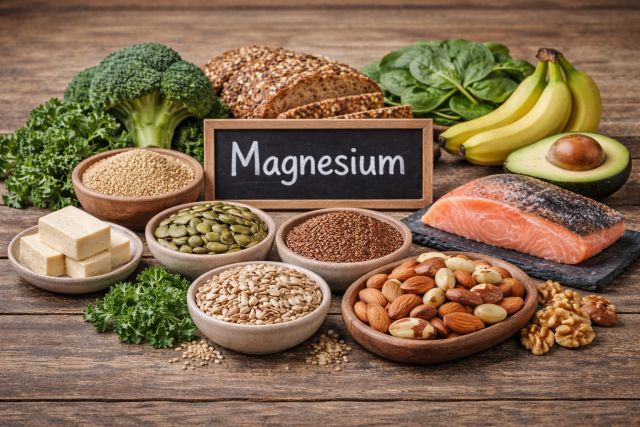
Magnesium is one of the fundamental minerals without which stable functioning of the cardiovascular system is impossible. When magnesium is deficient, the heart is often one of the first structures to respond, with rhythm disturbances and reduced tolerance to physical load. At the same time, magnesium does not play a narrowly “cardiological” role, but participates in the functioning of the nervous, gastrointestinal, muscular, skeletal, and other systems of the body. It is involved in hundreds of biochemical processes, supports energy metabolism, regulates cellular excitability, and influences the body’s adaptation to physical and psychological stress. At the same time, magnesium deficiency remains one of the most common and, at the same time, one of the least recognized conditions.

Reset Your Health: Proven Dietary Strategies For Multisystem Conditions

Image

Multisystem chronic conditions are disorders in which multiple body systems—such as the nervous, vascular, digestive, musculoskeletal, and immune systems—are affected simultaneously. Symptoms can range widely, from dizziness and pain to digestive issues and persistent fatigue.

Your Gut Microbiota Holds The Key To Better Health, Part 1

Image

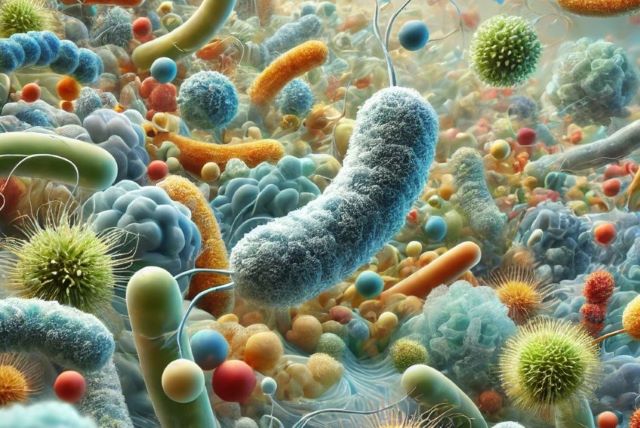
Gut Microbiota is a complex ecosystem of microorganisms, including bacteria, viruses, fungi, and parasites, that inhabit the human intestinal tract. The number of microbes in the human body is estimated to be around 39 trillion, slightly exceeding the number of human cells. However, their genetic material is much richer and has a profound impact on bodily functions.

The microbiota performs many key functions, such as aiding digestion, synthesizing vitamins, protecting against pathogens, and supporting the immune system. A healthy microbiota is key to maintaining long-term health, whereas imbalances may trigger a wide range of diseases.

SIBO: What Lies Behind the Condition Mistaken for a Disease, Part 1

Image

SIBO (Small Intestinal Bacterial Overgrowth) is a condition where bacteria that are normally present in small amounts in the small intestine—or that typically reside in the large intestine—begin to proliferate in the small intestine. SIBO disrupts normal digestion and nutrient absorption.

Symptoms of SIBO include bloating, abdominal pain, diarrhea, or constipation. However, it’s not just discomfort—SIBO can significantly impact quality of life, leading to chronic fatigue, skin issues, weight loss, and vitamin and mineral deficiencies. The underlying cause of SIBO is often another condition, and SIBO is a dysfunction of the gut that results from this primary issue.