Diet and Nutrition

Scurvy and the Miracle of Vitamin C: How Lemons Defeated Scurvy

Image

Scurvy is a disease known since the days of long sea voyages when sailors suffered from the lack of fresh food. The disease manifested itself in fatigue, anemia, bleeding gums, bruising, and swollen joints. The link between the disease and a deficiency of something found in “acidic fruits” was established by Scottish doctor James Lind in 1747. His research showed that including citrus fruits in the diet effectively prevented and treated this condition, saving the lives of many sailors.

Folate Receptor Antibodies: A Hidden Link to Mental Disorders

Image

Folate, or vitamin B9, plays a vital role in the functioning of the body. It is essential for the synthesis of DNA and RNA, regulates methylation, and supports normal cell growth and development. A deficiency of folate in the brain can lead to serious consequences, including cognitive and neurological disorders.

Upon consumption, folates are absorbed in the intestine and transported to various organs via the folate receptor alpha (FRα). Under normal conditions, the folate level in cerebrospinal fluid (CSF) should be 2-3 times higher than in blood. However, in some individuals, blood folate levels may remain within the normal range while the delivery of folate to the brain is inadequate.

Lack Iron: The Enemy Leading to Iron Deficiency Anemia

Image

Iron deficiency is a condition in which the level of iron in the body decreases, leading to insufficient amounts for normal hemoglobin synthesis. Although iron deficiency itself is not anemia, it can cause various unpleasant symptoms such as weakness, fatigue, and cognitive decline. If iron deficiency progresses, it can lead to the development of iron deficiency anemia, which poses a serious health risk. Iron deficiency anemia can develop not only due to a lack of iron but also as a result of other factors that interfere with the body’s ability to absorb or utilize iron.

The Surprising Connection: Nutrition, Epigenetics, and Your Lifelong Health, Part 2

Image

Epigenetic marks play a crucial role in maintaining health throughout life by regulating biological processes and predisposition to diseases. Understanding when and how these marks can change opens new opportunities for the prevention of chronic diseases and improving quality of life. In the first part of the article, we examined the theoretical aspects of epigenetics, how and when these changes occur, and their impact on health. In the second part, we will focus on practical approaches: how to influence epigenetics through nutrition, lifestyle, and other available strategies. Particular attention will be given to critical periods such as pre-pregnancy preparation, childhood, adolescence, and aging when external factors can have the most significant long-term effects on health.

The Surprising Connection: Nutrition, Epigenetics, and Your Lifelong Health, Part 1

Image

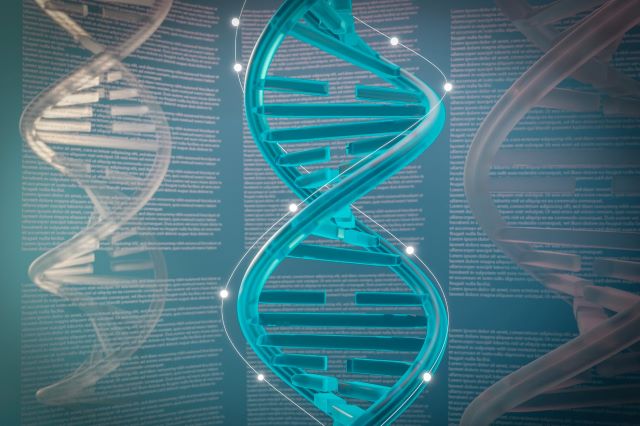
In recent years, research in genetics and epigenetics has garnered increasing attention, opening new horizons for understanding health and chronic diseases. Genetics studies hereditary traits and variations in DNA structure, while epigenetics examines changes in gene activity that do not alter the DNA sequence itself. One of the key aspects of epigenetics is that these changes can be reversible. This opens up new opportunities for developing treatments for diseases where changes in gene expression play a crucial role, such as autoimmune diseases, cancer, or metabolic disorders. Moreover, epigenetic modifications can be passed from parents to offspring, influencing the health of future generations. Understanding the mechanism of epigenetic regulation presents new prospects in medicine, particularly concerning the impact of the environment, nutrition, and lifestyle on health.

Over-Methylation vs. Under-Methylation: What You Need to Know for Better Health

Image

Methylation is a crucial biochemical process occurring in all cells of the body. It involves adding a methyl group (CH₃) to molecules such as DNA, proteins, and lipids, significantly influencing their functions and activities. Methylation regulates various physiological mechanisms, including gene expression, detoxification, mood regulation, energy production, immune system function, and cellular maintenance. Particularly important is the role of methylation in the liver, where it helps neutralize and eliminate toxins, which is essential for overall health.

Vitamin B12 Deficiency: Health Consequences and How to Prevent Them

Image

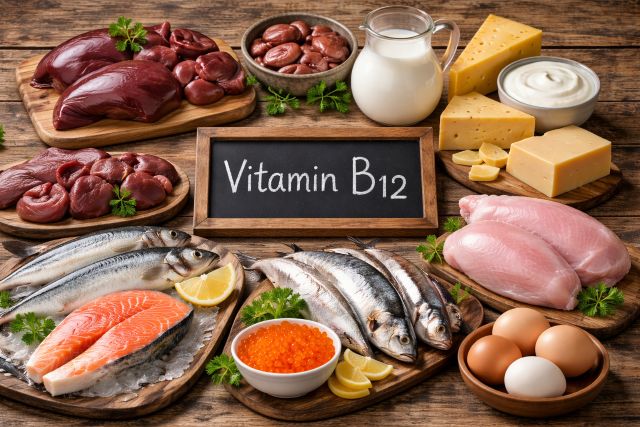
Vitamin B12, also known as cobalamin, is a crucial water-soluble vitamin that plays a key role in maintaining nervous system health, red blood cell formation, and DNA synthesis. It is essential for normal brain and nerve function, as well as for energy production in the body. Vitamin B12 is naturally found in animal products such as meat, fish, dairy, and eggs. Adequate intake is vital for normal bodily function, as a deficiency can lead to serious health issues.

Hidradenitis Suppurativa vs. Acne: How to Differentiate and Treat Chronic Inflammation

Image

What is Hidradenitis?

Hidradenitis suppurativa (HS) is a chronic inflammatory disease that affects apocrine glands, which are located in specific areas of the body. These glands secrete a special fluid and are found only in certain regions such as the armpits, groin, around the anus, genitals, buttocks, and under the breasts.

Due to skin folds in these areas, apocrine glands often lack oxygen, leading to blocked secretions and encouraging the growth of pathogenic anaerobic bacteria. If the apocrine glands become clogged and inflamed, this can result in painful nodules and abscesses, which may merge and form tunnels under the skin.

Cracking The PCOS Code: Revealing Causes, Symptoms, And Environmental Impact

Image

Polycystic Ovary Syndrome (PCOS) is the most common endocrine disorder affecting women of reproductive age.

While PCOS can present differently, its impact on health and quality of life can be significant. It’s important to recognize the signs and consequences of this condition to receive timely diagnosis and treatment.

Depression And Digestion: The Mysteries Of The Emotional-Gut Connection

Image

What is depression?

Depression is a serious mental disorder characterized by a prolonged period of low mood, loss of interest in favorite activities, changes in energy balance, and a decreased sense of satisfaction with life. It affects overall physical and emotional well-being, the ability to function in daily life, and the quality of interpersonal relationships.

Depression can have different degrees of severity, and without timely treatment, it can become chronic and negatively impact the quality of life. However, depression can also be a symptom of other medical or psychological conditions. Distinguishing between depression as a symptom and depression as a standalone condition is usually based on the duration, frequency, severity of symptoms, and their impact on daily life.