
The Truth About Vegan And Vegetarian Diets: Essential Nutrients, Hidden Risks, Real Solutions
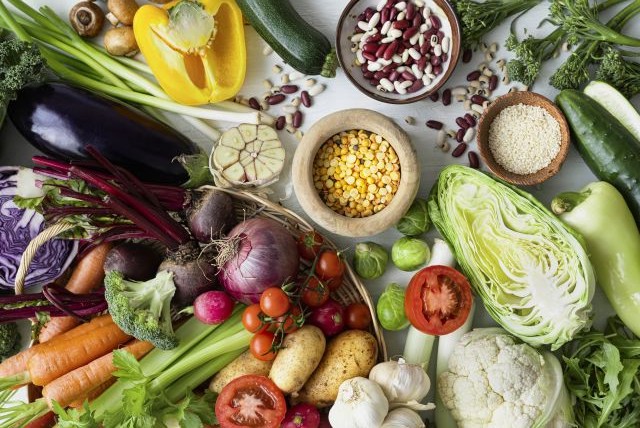
Plant-based diets are becoming increasingly common, and their selection is often associated with ethical, environmental, or individual preferences. Vegetarian and fully plant-based diets can be viable, but they differ in nutrient composition, absorption, and the need for correction.
From a physiological perspective, the key question is not the presence or absence of animal products as such, but the diet’s ability to provide sufficient essential amino acids, fats, vitamins, and minerals considering their bioavailability. In some cases, plant foods contain fewer accessible forms of certain nutrients or require more careful dietary planning to prevent deficiencies.
These features are especially important for groups with increased needs - children, adolescents, pregnant and breastfeeding women - whose requirements for protein, lipids, and micronutrients are higher. In these situations, it is important not to oppose different approaches but to correctly assess whether the body is receiving enough essential nutrients and use substitutes when necessary.
Forms of plant-based eating
Plant-based diets differ in the degree to which animal products are excluded. The stricter the restrictions, the higher the risk of deficiencies and reduced nutrient absorption.
Lacto-ovo vegetarianism
Excludes meat and fish but allows dairy products and eggs. This is the most balanced form because it retains sources of vitamins B12, calcium, cholesterol, and omega-3 fats.
- Losses: heme iron, zinc, omega-3 (DHA, EPA).
- Clinical risk is moderate.
Lacto-vegetarianism
Excludes meat, fish, and eggs but retains dairy products.
- Losses: animal protein, iron, zinc, choline, omega-3 (DHA, EPA).
- Clinically - B12, iron, and essential amino acid deficiencies are common, slowing growth and tissue repair.
Ovo-vegetarianism
Excludes meat, fish, and dairy products, allows only eggs.
- Losses: calcium, vitamin D3, omega-3 (DHA, EPA), cholesterol (in limited amounts), protein with an incomplete amino acid profile.
- Clinically - increased risk of osteopenia, DHA deficiency, and endocrine disorders.
Pescetarianism
Allows fish and seafood while excluding meat and poultry (warm-blooded animals).
- Losses are minimal, as sources of omega-3 (DHA, EPA), B12, and cholesterol are preserved.
- Clinically - the most physiological form of plant-animal mixed eating.
Flexitarianism
Is primarily plant-based with occasional consumption of meat, fish, or eggs.
- With sufficient variety and good protein balance, deficiencies are rare.
- Considered a metabolically safe form of limited eating.
Veganism
Complete exclusion of all animal products, including milk, eggs, fish, and honey.
- Losses: vitamin B12, omega-3 (DHA, EPA), heme iron, zinc, calcium, cholesterol, choline, selenium.
- Clinically - high risk of anemia, cognitive impairments, osteopenia, endocrine and neurological disorders.
Raw foodism
An extreme form of plant-based eating that excludes thermal processing.
- Proteins, fats, and minerals are poorly absorbed because antinutritional factors (phytates, oxalates, lectins) remain intact.
- High risk of bacterial, parasitic, and mold toxin contamination: bacteria and parasitic forms are not destroyed.
- Clinically - pronounced weakness, anemia, endocrine disorders, weight loss, and increased susceptibility to infections.
General mechanisms of deficiencies and food contamination
The transition to plant-based diets is not limited to excluding animal products - it affects fundamental biochemical mechanisms of nutrient absorption and metabolism. The main disturbances are related not only to the lack of certain nutrients but also to changes in their absorption and the quality of plant foods.
Excluding animal proteins leads to an incomplete amino acid profile. Plant proteins are deficient in lysine, methionine, threonine, and tryptophan; in addition, some plant components reduce their digestibility. This limits the synthesis of proteins, enzymes, and neurotransmitters.
Excluding animal fats leads to the absence of cholesterol and reduced absorption of fat-soluble vitamins. Cholesterol is necessary for the synthesis of sex hormones, vitamin D, and neuronal membranes. Without it, the nervous system and endocrine regulation suffer.
Loss of sources of critical nutrients eliminates natural sources of vitamins B12, D3, A (in the form of retinol), iron (heme), zinc, calcium, choline, and long-chain omega-3 (DHA, EPA).
Plant compounds that interfere with normal nutrient absorption: phytates, oxalates, lectins, and trypsin inhibitors reduce the absorption of protein, iron, zinc, calcium, and magnesium. Phytates bind cations, forming insoluble complexes; oxalates form calcium salts; lectins irritate the intestinal mucosa, causing inflammation and impaired absorption.
Contamination of plant foods: grains, nuts, legumes, and seeds are often affected by mold fungi Aspergillus, Fusarium, Penicillium. During long-term storage and transportation, mycotoxins often form - aflatoxin B1 (a hepatocarcinogen), ochratoxin A (nephrotoxic, neurotoxic), and zearalenone (estrogen-like effects). Thermal processing does not eliminate this toxicity.
In animal products, the level of mycotoxins is minimal - animals metabolically inactivate toxins, so the risk of mycotoxic exposure for consumers of animal foods is significantly lower.
Major nutrients and the reasons for their deficiency
Deficiencies can occur at any age, but pregnancy, childhood, and adolescence are the most vulnerable periods in terms of ensuring adequate nutrient supply. During this time, the brain, endocrine system, bone tissue, immune and reproductive functions are formed. The body requires high amounts of key nutrients that support cell division, growth, and the development of the nervous system and brain.
Protein and amino acids
For normal growth, a complete set of nine essential amino acids (eight in adults) must be supplied throughout the day: histidine, isoleucine, leucine, lysine, methionine, phenylalanine, threonine, tryptophan, and valine. With plant-based eating, this balance is disrupted: lysine, methionine, and tryptophan are supplied in limited amounts, which makes the synthesis of most structural and enzymatic proteins impossible.
- Sources of a complete set of amino acids - meat, fish, eggs, dairy products.
- Partially balanced plant combinations - grains with legumes (for example, rice + beans), but they do not provide an optimal amino acid ratio for a growing body.
Deficiency manifests as slowed growth, poor muscle development, cognitive impairment, and reduced immunity.
Omega-3 fatty acids: DHA and EPA
DHA (docosahexaenoic acid) is the main structural lipid of the brain and retina. EPA (eicosapentaenoic acid) regulates inflammatory responses, vascular tone, and neurotransmitter metabolism. In plants, both acids are absent; α-linolenic acid (ALA) converts to EPA by less than 5%, and to DHA by no more than 1-3%. DHA cannot be synthesized from EPA.
- Sources - fish, seafood.
- Deficiency leads to impaired brain development, decreased concentration, emotional stability, and reduced stress resilience.
Vitamin B12
B12 is necessary for cell division and the formation of myelin. It is completely absent in plants. In children, subclinical deficiency develops quickly and leads to megaloblastic anemia, pallor, fatigue, reduced memory, and cognitive delay.
- Sources - meat, fish, eggs, dairy products.
- Deficiency causes anemia, delayed neural development, and weakness.
Iron
The need for iron in children and adolescents is higher than in adults, as it is required for hematopoiesis, oxygen transport, and tissue growth. In plants, iron is non-heme, and absorption does not exceed 5-10%.
- Sources - meat, liver, fish.
- Deficiency causes anemia, hypoxia, fatigue, and reduced learning ability.
Zinc
Zinc regulates cell division, immunity, hormonal balance, and reproductive functions. In plant foods, it is bound to phytates and poorly absorbed. Phytates are substances in grains and legumes that hinder mineral absorption.
- Sources - meat, seafood.
- Deficiency manifests as delayed growth, frequent infections, reduced appetite, and low testosterone levels.
Calcium
Calcium in plants is in a bound form (oxalates, phytates), which severely limits its absorption. Moreover, foods high in oxalates, mistakenly considered calcium sources (spinach, nuts, grains), increase calcium requirements because they demand calcium for their own neutralization.
- The only complete and easily absorbable natural sources - milk and bone meal.
- Deficiency manifests as osteopenia, skeletal deformities, slow growth, and increased bone fragility in the future.
Cholesterol
Cholesterol is necessary for the formation of myelin, cell membranes, and the synthesis of steroid hormones (testosterone, estrogens, progesterone, cortisol). During puberty, endogenous cholesterol synthesis does not meet the increased demand.
- Sources - eggs, meat, fish, dairy fats.
- Deficiency is associated with delayed sexual maturation, hormonal dysfunction, and reduced stress resilience.
Choline
Choline is necessary for the formation of cell membranes, the synthesis of acetylcholine, and normal liver function. Endogenous synthesis (from serine with the participation of methionine and folate) is poorly expressed in children and does not meet the requirement. With plant-based eating, where methionine and vitamin B12 are low, this process is further reduced.
- Sources - meat, eggs, liver.
- Deficiency causes reduced memory, emotional instability, and fatty liver degeneration.
Malabsorption and intolerances
Even with a theoretically balanced plant-based diet, the body’s nutrient supply depends not only on intake but also on the condition of the gastrointestinal tract. If digestion is impaired, absorption becomes sharply limited - especially when animal products are excluded, as many nutrients in them are present in the most easily absorbable form.
- Low stomach acid reduces protein breakdown and the absorption of iron, zinc, and calcium. It is typical with chronic stress, atrophic gastritis, and veganism (less HCl stimulation by animal proteins).
- Celiac disease and gluten sensitivity damage the mucosa of the small intestine and sharply reduce the absorption of B vitamins, iron, and calcium.
- Inflammatory bowel diseases (IBD) and SIBO are accompanied by disrupted microbial balance, enzyme deficiencies, and increased mucosal permeability.
- Lactase deficiency limits the use of dairy products, which deprives vegetarians of one of the main sources of calcium and vitamin B12.
Even with a “nutrient-rich” plant diet, nutrient absorption may drop to minimal levels, masking clinical deficiencies under the appearance of satiety. When animal sources are removed, the condition worsens, and secondary disturbances develop:
- Anemia - due to deficiency of iron, folic acid, and vitamin B12.
- Osteopenia and cramps - with a lack of calcium and vitamin D.
- Hypothyroidism - with selenium and zinc deficiency against the background of reduced intestinal absorption.
Thus, any malabsorption makes a plant-based diet significantly more risky, because it has no backup nutrient sources that could compensate for such a limitation.
Historical and cultural origins
Veganism
The vegan movement formed less than 100 years ago, in the United Kingdom in the 1940s, as an ethical concept rather than an evolutionarily developed self-sufficient dietary system; the term “vegan” appeared only in 1944. Unlike traditional cultural forms of vegetarianism, it excludes all animal products and has no natural analogs in the history of human nutrition.
Observations of Dr. Weston Price
In the 1930s, Dr. Weston A. Price studied traditional peoples on all continents - from Swiss valleys and Scottish islands to Eskimos, Maasai, and Melanesians. He showed that despite climatic and cultural differences, all stable dietary systems included animal products and supported optimal development of bones, teeth, and the nervous system.
Dr. Price considered the main reason for declining health to be the widespread use of refined foods, which at that time were not yet consumed by everyone - sugar, white flour, refined oils, and canned foods. Already by the second generation, this led to facial deformities, reduced fertility, and the rise of chronic diseases.
It should be noted that at that time Dr. Price did not encounter veganism in the modern sense, despite traveling all over the world.
India - partial vegetarianism
India is often cited as an example of a meatless culture, but in reality most Indians are lacto-vegetarians who consume milk, yogurt, and clarified butter (ghee). These foods supply animal fats, vitamins B12 and A, as well as calcium.
In families, children often receive meat or fish until adolescence, and abstinence is adopted later, after growth has already been completed. But even with this, rates of anemia, rickets, and hypothyroidism remain among the highest in the world.
Buddhist and monastic traditions
In China, Korea, and Japan, Buddhist monastic diets were based on the principle of ahimsa - the refusal to kill animals - but were not fully vegan. Milk, cream, and honey were allowed, and periods of abstinence alternated with normal eating, which prevented exhaustion and preserved the intake of basic nutrients. In remote high-altitude monasteries, meat was still used because in such conditions there were simply no other available foods.
Christian fasts
Ethiopian, Greek, and Slavic fasts also involve temporary exclusion of meat, milk, and eggs, but this is not a lifestyle. After the fasting period, the diet returned to mixed eating, including fish and dairy products.
In all cultures where long fasts or abstinence from animal food existed, pregnant and breastfeeding women, children, the sick, and travelers were exempt. This reflects an intuitive understanding of physiological limitations and the need to maintain access to complete nutrients during periods of increased requirement.
Modern possibilities for addressing the limitations of veganism
The ability to follow a vegan diet in real life appeared only with the development of food chemistry and pharmaceuticals: synthetic vitamins, fortified foods, and industrial additives make it possible to compensate for the deficiencies of important nutrients. Without these technological solutions, long-term eating of only plant foods would be physiologically impossible.
Since the beginning of the 21st century, veganism has become a global commercial trend. The plant-based and “alternative” protein industry has attracted multibillion-dollar investments - from venture funds and technology corporations to major food companies. Marketing promises of “safe nutrition” and “ethical choice” have been supplemented by economic interests, which accelerated the spread of veganism in countries with high levels of technology and access to supplements.
Veganism and breastfeeding
The composition of breast milk directly depends on which nutrients the mother receives and which nutrients are available in her own tissue stores. With plant-based eating, a significant portion of vital substances is either completely absent or supplied in forms and quantities that do not meet the physiological needs of the mother during pregnancy and lactation. Therefore, the mother’s deficiencies quickly affect the baby - especially during the period of intensive brain development, myelination, and maturation of the infant’s hormonal system.
- Protein and amino acids. Plant foods do not contain a complete amino acid profile: low in lysine, methionine, threonine, tryptophan, and during pregnancy and lactation also histidine. These amino acids are not supplied adequately by a plant diet, forcing the mother’s body to break down its own muscle and liver proteins to synthesize milk. This leads to tissue depletion, reduced enzymatic activity, and deterioration of breast milk composition - levels of protein and key amino acids necessary for infant growth decline.
- Vitamin B12 - completely absent in plant foods. Deficiency in the mother leads to severe megaloblastic anemia, growth delay, and irreversible damage to the child’s central nervous system.
- Omega-3 (DHA and EPA) - both types of fatty acids are absent in plants. Their deficiency disrupts the formation of the cerebral cortex, retina, and neuronal connections, causing cognitive and visual delays.
- Choline and cholesterol - key components of myelin and cell membranes. Deficiency leads to delayed maturation of the nervous system, instability of hormonal balance, and emotional lability.
- Calcium. When dietary calcium is insufficient, the mother’s body uses calcium from bone, releasing stored heavy metals in the process (particularly lead, which replaces calcium during chronic deficiency). Lead is present in the environment - in soil, dust, water, old paint, and even food - so trace amounts are constantly entering the body. This increases the risk that more toxic substances will appear in breast milk and negatively affects the child’s brain development.
- Iron. Breast milk contains very little iron regardless of maternal diet, so the mother’s iron status during pregnancy is crucial. Women who followed vegetarian or vegan diets often already have iron deficiency, leading to congenital anemia in the child, which cannot be corrected by breastfeeding. Such a child must receive iron with complementary feeding, for example in the form of infant cereal fortified with iron.
- Zinc. When meat, fish, and dairy products are excluded, zinc intake decreases because plant sources contain it in poorly absorbable forms due to phytates. Deficiency in a breastfeeding mother disrupts the development of the infant’s immune system and increases the risk of infections.Начало формы
Why “healthy vegans” feel well
The body is able to maintain apparent well-being for a long time through internal reserves and compensatory mechanisms. It redistributes resources among systems, directing nutrients and energy to priority functions - the work of the brain, heart, and production of essential hormones. At the same time, “secondary” processes such as skin regeneration, hair growth, connective tissue renewal, immune response, and reproductive function are gradually suppressed. Such compensation may last for years, creating the illusion of stability, but over time leads to depletion and increased vulnerability to stress, infections, and chronic diseases.
Transitioning to plant-based eating may even be accompanied by a subjective improvement in well-being. This is explained not by adaptation but by a temporary reduction in toxic and metabolic load. For example:
- With an excess of ammonia and protein metabolism products (hyperammonemia, bile stasis, liver dysfunction), reducing meat products indeed brings relief - nausea, heaviness, and inflammatory load decrease.
- With low activity of liver enzymes and impaired detoxification, temporarily excluding animal protein may subjectively improve condition, since it is easier for the body to process carbohydrates and plant foods.
Such short-term improvements indicate existing metabolic disturbances in the body that require professional attention. After resolving the identified issues, the patient may, if desired, continue following their chosen diet, but it is better to do so with full understanding of its features and with mandatory compensation of potential deficiencies in order to avoid health problems.
When compensation ends: systemic consequences of plant-based eating
In addition, there are periods of increased load - pregnancy, lactation, acute illness, stress, intense training, sleep deficiency - when hidden problems manifest much faster, as the body’s compensatory reserves become depleted especially quickly.
Postpartum crash. During pregnancy, the mother’s body prioritizes the child: the fetus almost always receives everything necessary even in cases of pronounced maternal deficiency. After birth, when the hormonal profile changes sharply, especially during breastfeeding, the mother’s internal stores become depleted. This causes a state of postpartum exhaustion - anemia, severe fatigue, hair loss, anxiety, depressive reactions, and sleep disturbances. Women on plant-based diets are at higher risk because all the nutrients they need cannot be quickly replenished from plant sources.
Anemia and chronic fatigue. These arise due to deficiency of vitamin B12, iron, and protein. Lack of these substances reduces the formation of hemoglobin and oxygen transport to tissues, which manifests as weakness, fatigue, pallor, and decreased concentration.
Endocrine disorders. Lack of cholesterol and zinc limits the synthesis of sex and steroid hormones (testosterone, estrogens, progesterone, cortisol). This leads to decreased libido, irregular menstruation, and reduced fertility.
Microbiome. Long-term plant-based eating reduces the amount of beneficial bacteria such as Faecalibacterium prausnitzii, which produce butyrate - a substance that nourishes intestinal cells and maintains mucosal integrity. With its deficiency, intestinal permeability increases, contributing to inflammation, allergic reactions, and autoimmune processes.
Neuroendocrine effects. Deficiency of vitamin B12, omega-3, and cholesterol disrupts the production of serotonin and dopamine - the main neurotransmitters of mood and motivation. This may manifest as apathy, anxiety, irritability, and a tendency toward depressive states.
Increased inflammation and oxidative stress. Excess omega-6 fatty acids (from vegetable oils) combined with deficiency of omega-3 (DHA, EPA) enhances inflammatory responses and contributes to thrombosis. Additionally, mycotoxins from grains and nuts (aflatoxin, ochratoxin, zearalenone) intensify oxidative cellular damage and disrupt mitochondrial function.
Typical mistakes of plant-oriented diets
Transitioning to plant-based eating is often accompanied by distortion of the balance of macro- and micronutrients. Even with normal caloric intake, the diet may be inadequate if the limitations of nutrient absorption are not taken into account.
- Excess carbohydrates with insufficient protein and fats. Most calories often come from grains and starches, which leads to insulin fluctuations, increased fatigue, and reduced muscle mass.
- Insufficient omega-3 fatty acids (DHA and EPA). Plant sources contain only alpha-linolenic acid (ALA), of which less than 5% is converted into active forms. An omega-6 to omega-3 imbalance increases inflammatory responses, worsens cognitive function, leads to irritability, decreased concentration, and accelerated vascular aging.
- Using nut or oat “milk” as a source of calcium. These beverages do not contain absorbable calcium; almond milk is additionally high in oxalates, which bind calcium and increase its losses. As a result, calcium balance becomes negative, affecting the quality of teeth, bones, and hair.
- Excessive consumption of soy products. Soy isoflavones (genistein, daidzein) have phytoestrogenic activity. With regular consumption of large amounts (soy milk, tofu, soy isolate, protein), they compete with androgens. In men this may lower testosterone, reduce libido and fertility; in women it may worsen hormonal imbalances in the context of fat and cholesterol deficiency.
- Refusal to use nutrient supplements. Ignoring supplementation with vitamins B12 and D3, omega-3 (EPA/DHA), iron, calcium, zinc, and choline leads to systemic deficiencies, especially in children, adolescents, and women of reproductive age.
- Underestimating the role of cholesterol, fats, and animal protein. Cholesterol and saturated fats are necessary for the synthesis of hormones, myelin, and cell membranes. Their long-term absence disrupts endocrine, reproductive, and cognitive functions.
- Belief in “adaptation” of the body. The body cannot adapt to the long-term absence of vitamin B12, DHA/EPA, cholesterol, and essential amino acids - their synthesis is impossible even with prolonged deficiency. Without supplements, these deficiencies accumulate inevitably, leading to gradual depletion of reserves and functional failures of the organism.
Clinical monitoring and correction
Even with a carefully planned plant-based diet, the risk of hidden and combined deficiencies remains high. Symptoms progress gradually (fatigue, apathy, brittle nails, decreased concentration, anemia) and often become noticeable only when functional disturbances are already present. Laboratory assessment is necessary for early detection of imbalances before clinical manifestations.
Assessment typically includes:
- Iron and B12 markers: hemoglobin, ferritin, TIBC/transferrin, vitamin B12, folates.
- Mineral metabolism: 25(OH)D, calcium (total/ionized), phosphorus, parathyroid hormone, magnesium.
- Trace elements: zinc.
- Thyroid profile: TSH, free T4 and T3.
- Lipids, vitamin A, and omega-3 profile: total cholesterol, LDL, HDL, triglycerides, vitamin A, omega-3 index (EPA + DHA).
- If indicated: sex steroids, cortisol, inflammation markers.
Interpretation of test results helps determine whether there are signs of nutrient deficiencies and how well the diet meets an individual’s needs. Correction is based on the assessment and may include:
- Prescribing necessary vitamins and minerals in appropriate forms and dosages.
- Adjusting the diet based on how well the body absorbs different foods.
Important: with strict dietary restrictions, it is impossible to restore a complete balance of nutrients exclusively through plant foods. Self-supplementation without testing may be insufficient or excessive and ultimately unsafe.
Special risk groups
The following groups are at increased risk of complications with vegetarian and especially vegan diets:
- Individuals with pre-existing metabolic and absorption disorders. These include people with anemia, hypothyroidism, irritable bowel syndrome, celiac disease, inflammatory gastrointestinal diseases, hypoacidity, chronic fatigue, hormonal and endocrine dysfunctions. Even on a regular diet their metabolic balance is unstable, and switching to strict plant-based diets intensifies deficiencies and worsens functional disorders - contrary to common beliefs about “improved health” on plant-based nutrition.
- Physiologically vulnerable groups. These include children, adolescents, pregnant and breastfeeding women - periods when the need for key macro- and micronutrients increases several-fold. Plant-based diets cannot provide these substances in physiological amounts, and attempts to compensate everything with supplements are often insufficient and may lead to long-term disturbances of the nervous system, bones, and hormonal balance.
For all the categories listed, introducing additional dietary restrictions without medical supervision and timely compensation of deficiencies presents a risk of health deterioration, which is not always reversible. The optimal approach is to work with qualified specialists who can perform an objective assessment, determine the safety of the chosen diet, and replenish deficiencies in a timely manner.
Conclusion
Avoiding animal products is becoming increasingly common. The reasons may vary - personal, ethical, or environmental. It is important to understand which nutrients may become deficient with such a choice and how this affects health.
When discussing plant-based diets, primary attention should be paid to medical aspects - the functions of key nutrients, possible risks of their deficiency, and the need for regular monitoring. A fully plant-based diet does not provide the body with everything it needs, so periodic evaluation and correction of deficiencies are required.
These issues are especially important during periods of increased demand - when planning pregnancy, during gestation, during breastfeeding, as well as in childhood and adolescence. Lack of important nutrients during these periods may impair the development of the nervous, skeletal, endocrine, and other systems, and such consequences cannot always be fully reversed later, even after returning to a complete diet.
Therefore, the nutrition of children, adolescents, pregnant and breastfeeding women must be considered from a medical perspective - with regular assessment, laboratory monitoring, and individualized correction. This approach allows following a diet that restricts animal products safely.